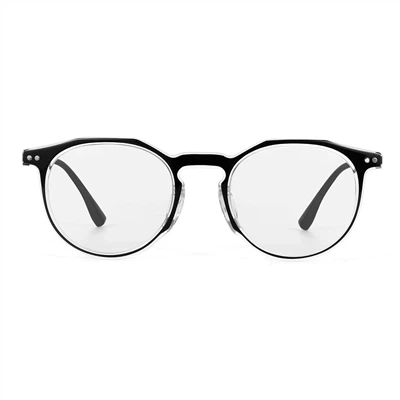
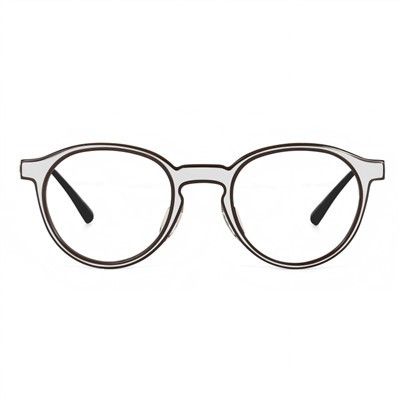


Optical Frames
Why Choose Us
Rich Experience
Shenzhen Deepward has been established in 2010, located in Henggang town, Shenzhen, one city where mainly produce high quality eyewear by gathering sophisticated industrial chain service and outstanding designs started from here.
Reliable Product Quality
As the company develops, we continue to introduce new technologies and materials to improve product quality and design diversity. We successfully developed metal eyewear production flow in 2015, which quickly is recognized by customers due to its exquisite quality.
Wide Product Range
Deepward mainly produce high quality handmade acetate eyewear, metal eyewear, Titanium eyewear, Carbon fiber eyewear, and all kinds of different material optical frame and sunglasses.
Professional Technical Team
The reason why Deepward can produce high quality eyeweas is that nearly 75% workers have been working in Deepward for more than 8 years. This is the most important reason which can guarantee the quality level stably.
What is Optical Frames
Optical Frames are the part of a pair of glasses that holds prescription lenses in the proper position. These are frames in which opticians can mount different types of prescription lenses. They are best suited for a particular visual requirement. Optical Frames, when worn with corrective lenses, can help sharpen your vision for different activities like reading, driving or computer use.


Advantages of Optical Frames
When your glasses don't weigh as much, you don't feel them as much. Simply put, when you have a great pair of lightweight spectacles that fits perfectly, you're more comfortable in them. When your glasses are comfortable, you're more likely to wear them as recommended. Whether that's putting them on to drive, using them to read books or when you're working at a computer or wearing them all day, you'll barely notice that you have them on if they're light as air — or as close to it as glasses can actually get.
No matter how cleverly designed they are, glasses are susceptible to gravity, just like anything else you might wear. There is always going to be some amount of force pulling down on them, and the heavier the glasses, the more that force is. It may not be a huge amount of force, but even a little added weight can put a bit more pressure on various areas of your face, particularly the pressure points on your nose and bridge. When you're wearing something as often as you wear your glasses — for some people it can be 12 to 16 hours every day — that little bit of pressure or lack of it can make a big difference in long-term comfort. Plus, reduced pressure on your nose bridge makes it less likely that your frames leave an imprint when you take them off.
If you're trying to figure out whether you want a pair of lightweight eyeglasses or contacts, the opportunity for added style might help you make your choice. From shutter shades to gray lenses to gorgeous frame patterns, you can completely customize your look with the right pair of glasses. You can find a pair of everyday glasses that match your overall personality or stock up on a few so you can match favorite outfits or update your look to fit your mood, allowing you to explore your personal style and fashion.
Remember that bit about gravity? Even when your glasses fit well and have been properly adjusted, the laws of physics dictate that they may still try to slide down your face. Lighter weight frames need less to keep them in place, which means you don't need snug pads pushing into the bridge of your nose or pressing into your head behind your ears. A little goes a long way when your glasses are light enough to almost float on your face.
And speaking of gravity's impact on glasses, there's another plus to consider with optical frames: They tend to be more durable and last longer than their heavier counterparts. Consider the damage-resistant properties of the titanium and stainless steel frames discussed above — not only are they light and comfortable, they are less susceptible to damage and corrosion. Even if they do slip and fall, you can rest a little easier knowing that they're likely to come away unscathed.
Types of Optical Frames


Full-Rimmed Frames
If a bold style is what you're looking for, full-rimmed eyeglass frames may be your best option. These frames fully enclose your lenses with the material, offering a sturdy-yet-stylish pair of glasses. Available in all frame materials — from acetate and plastic to metal and titanium — our full-rim eyeglasses always make a statement and come in an endless variety of styles, colors, and sizes.
Rimless Frames
Rimless eyeglass frames are the best choices for those who favor a minimal look and feel. Lightweight and modern, rimless glasses offer plenty of style without taking over your face. With the only elements being the temple arms, the nose bridge, and hinges, these frames keep a low profile on your face without the extravagant design elements of full-rim glasses. They also come in various metals, including titanium.
Semi-Rimless Frames
If you’re looking for the best of both worlds, semi-rimless eyeglass frames may be the best choice for you. These hybrid frames bring together the minimalism of rimless frames with the full-rim durability. More lightweight than full-rimmed styles, but bolder than rimless eyeglasses, semi-rimless styles are classics with plenty of personality.
Low Bridge Frames
Say goodbye to sliding glasses! For those of us with lower nose bridges, the constant worry of our frames getting misaligned can be annoying. Luckily for you, we have the solution. These frames are perfect for people with low nose bridges, and stand at the top of fashion and function.
Wire Frames
Wire-frame eyeglasses are the epitome of classic. This charming style has re-entered the mainstream and is a universal fashion staple. Wire frames are also minimalist and lightweight, making them as comfortable as they are trendy. Traditionally, wire frames support circular lens shapes, but you’ll also find cat-eye and romantic heart shapes in the mix.
Material of Optical Frames
1. Metal Eyeglass Frames
● Titanium frames are very strong, lightweight and corrosion-resistant. They are hypoallergenic – an important consideration for people who are allergic to certain metals, such as nickel. "Titanium frames are sturdy and can be a good choice for older children or for anyone who is rough on their frames," says Dr. Harrison. Titanium frames come in a variety of colors.
● Monel is a mixture of metals. While these frames may have nickel or other metals that can cause allergic reactions in some people with sensitive skin, Dr. Harrison says most monel frames have a coating to protect the skin. Monel frames are quite flexible and corrosion-resistant.
● Beryllium costs less than titanium, and is very lightweight and strong. It is also flexible, making it easy for the optician to adjust them. Beryllium is extremely corrosion-resistant, Dr. Harrison says. These frames can be a good choice for people who spend a lot of time in or around salt water. Beryllium frames come in many colors.
● Stainless steel frames are lightweight and strong, but not as light as titanium. They can be less expensive than other metal frames and are corrosion-resistant.
● Flexon, as the name suggests, is a very flexible material. Flexon is an alloy of titanium, which comes back into shape even after it is twisted or bent. These frames are lightweight, corrosion-resistant and hypoallergenic. “These frames are great for active kids,” Dr. Harrison says.
● Aluminum is sometimes used in high-end frames. It is corrosion-resistant, flexible and strong.
2. Plastic Eyeglass Frames
● Zyl (zylonite, or cellulose acetate) is inexpensive and lightweight, and comes in many colors. Zyl frames are easy for an optician to adjust.
● Cellulose acetate propionate is a lightweight, nylon-based plastic that is hypoallergenic. It can be a little softer than other plastic frames.
● Blended nylon frames are strong and lightweight, and are a popular choice for sports or safety frames. Nylon frames are often found in wraparound styles, because they are easily molded.
● Optyl is a brand of epoxy resin. When heated, it becomes very malleable, making it easy for the optician to mold the frame to the shape of your face.
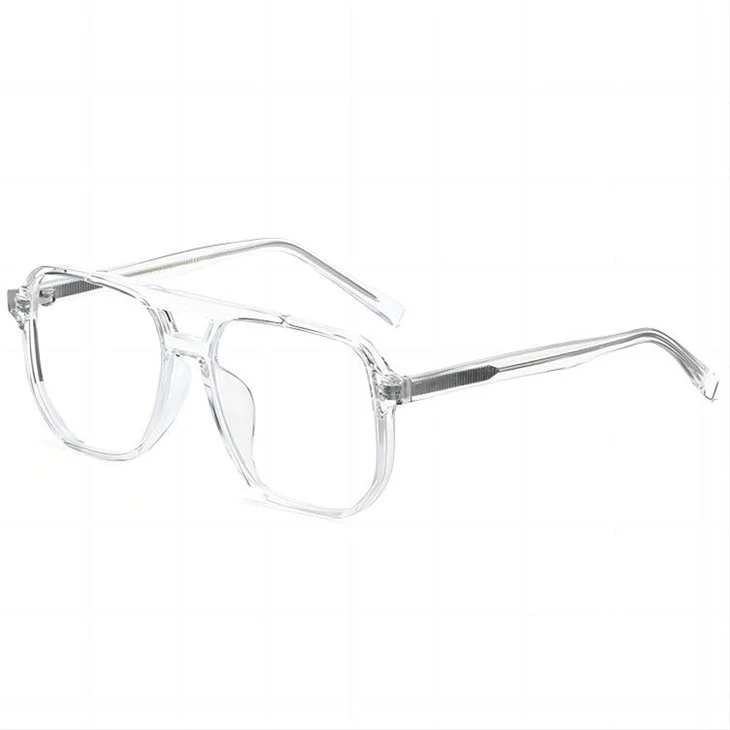
Vision problems: The lenses in optical Frames focus light rays properly on the retina in the eye.
Distance lenses: For fitting lenses suited for distance correction.
Reading lenses: Provides vision correction for people suffering from presbyopia or long sightedness. This correction is usually for reading or computer use.
Multifocal lenses: These are lenses that provide both near and distant correction.
Protection: Optical frames protect against flying debris for construction workers, lab technicians or welders.
Bridge
The bridge is located in the center of the frames, connecting the two rims. It rests above the nose and bears most of the weight of the glasses. Some frames have a low bridge fit, which means they’re crafted for people with low nose bridges (level with or below the pupils), wide faces, and/or high cheekbones.
Endpiece
On the outer edge of each rim, you’ll find the end piece: a small part of the front frame that extends outward in order to connect the front frame to the hinges. Some glasses have elaborate, decorative endpieces.
Hinge
The hinges sit between the endpieces and the temples, and they play a pivotal role in the function of your glasses. Without them, you wouldn’t be able to close your glasses by folding the temples inward. Each hinge contains a screw.
Nose Pad
The nose pads are the round, plastic pieces under the bridge that rest on the nose. They help your glasses sit comfortably on your face. Metal frames often include pad arms, which are adjustable pieces that attach the nose pads to the rims. They adjust to the wearer’s facial shape to provide a comfortable fit.
Lens
The lenses are what allow you to see clearly. They’re commonly made of clear plastic, high-index plastic, or polycarbonate, and a variety of styles and features are available, including bifocals, progressives.
Rims
The rims give the glasses form and character and hold the lenses in place. They can be thick or thin, simple or elaborate, understated or eye-catching, and any color imaginable. Some glasses are rimless, which means they lack a frame front and have a minimalist, barely-there appeal. On rimless frames, the bridge and temples connect directly to the lenses.
Screw
Tiny screws, typically made of metal or plastic, are inserted into the hinge to connect the temples to the end pieces.
Temples
The temples are the arms on each side of the frame, extending from the front of the frame to behind your ears.
Temple Tip
Sometimes referred to as earpieces, the temple tips are located at the ends of the temples. They are the portion that rests behind the ears, providing extra comfort (especially on glasses with metal frames).
Different Types of Optical Frames Shapes
Square
Square frames have equal width and height. These frames provide a strong, confident look and add structure and boldness, making them well-suited for round or oval faces.
Aviator
Aviator frames enclose a teardrop-shaped lens in a thin metal frame. The curves of the teardrop soften angular features and work well with oval, square, or heart-shaped faces.
Browline
Browline frames mimic eyebrows with a heavier upper frame. These frames add a distinctive, intellectual look and can balance facial proportions and complement oval, round, or square faces.
Cat-Eye
Cat-eye frames sweep up and away at the outer edges. These frames add glamour and lift to the eyes and are ideal for oval and heart-shaped faces.
Geometric
Geometric frames have unconventional shapes like hexagons or octagons. These frames add a modern, fashion-forward touch and are well suited to oval or round faces.
Horn
Horn frames have a distinctive horn-like shape at the temples. These frames have a classic, retro vibe that is very versatile and can complement a variety of face shapes.
Oval
Oval frames are rounded and elongated. These frames add balance and soften angular features, making them well-suited for square or rectangular faces.
Oversized
Oversized frames are larger than normal. These frames make a fashion-forward, dramatic statement and highlight creativity for those with a variety of face shapes.
Rectangle
Rectangle frames are straight and angular, with sharp edges. These frames have a classic and professional look and provide structure and balance to round faces.
Round
Round frames are circular. These frames add retro or vintage style and soften features, making them a great choice for square or angular faces.
How Do I Choose an Optical Frame
Determine Your Face Shape
To find the perfect optical frame, start by identifying your face shape. Different shapes complement various frames. Here’s a guide to help align frames with your face shape:
Round Face: Angular or geometric frames add definition.
Oval Face: Most frame styles work well for this versatile shape.
Square Face: Choose round or oval frames to soften the angles.
Heart Face: Opt for bottom-heavy frames to balance a wider forehead.
Rectangular Face: Oversized frames or aviators add width.
Diamond Face: Cat-eye, rimless or semi-rimless for ballance.
Match Frame Colors with Your Skin Tone
Harmonizing frame colors with your skin tone creates a balanced and appealing look. Use these guidelines to select the right frame colors based on your skin undertones:
Cool Undertones (Blue or Pink): Opt for silver, black, blue, or pastel frames.
Warm Undertones (Yellow or Peach): Choose gold, brown, camel, or warm tortoiseshell frames.
Experiment with different frame colors to determine what complements your complexion best.
Consider Your Lifestyle and Activities
When choosing eyeglasses, consider your daily activities and lifestyle. If you’re active, opt for durable, lightweight frames made of materials like titanium. If you spend extended periods in front of screens, consider lenses with blue light protection to reduce eye strain.
Express Your Personality
Your eyeglasses should be an extension of your personality and style. Choose frames that align with your individuality, whether it’s trendy, classic, quirky, or professional. Bold frames make a statement, while rimless frames offer a subtle and sophisticated look.
How to Adjust Your Optical Frame at Home
Level the Temple arms
If your glasses look crooked or tilted heavily to one side, it is likely the result of crooked temple arms. One way to test the temple arms is to lay your glasses upside down on a flat surface. Both of the temple arms should rest evenly on the flat surface. If they do not, you will need to adjust them.
For metal frames, gently bend the arms with small pliers (padded) until they are straight. Put the glasses on and observe in the mirror to see if they are correct.
For plastic frames, use a hair dryer, to make the plastic pliable on the lower arms. Slowly move the plastic with your hands until it is in the desired position.
Adjust the earpieces
If the eyeglasses are pinching or digging into your ears or the side of your head, bend the earpiece section of the arms outward. If the glasses are too loose and the glasses are slipping down off your nose, twist the earpieces inwards towards the head.
Tighten the screws on the temples
If the glasses are sliding down your nose, tighten the screw on the temples gently with a very small screwdrivers. Take care not to over tighten the screws, or you risk damaging the plastic or metal that they are holding in place.
Fix the nose pads for comfort
If the glasses sit too high on your face, the nose pads need to be moved further apart. If the eyeglasses sit too low, then pinch the nose pads closer together. Try to make sure you bend each of the nose pieces together or apart at equal distances to keep the symmetry of your glasses.
Our Certifications


Shenzhen Deepward has been established in 2010, located in Henggang town, Shenzhen, one city where mainly produce high quality eyewear by gathering sophisticated industrial chain service and outstanding designs started from here. Our company's story begins with a deep love for the craft of acetate eyewear. Relying on his rich experience in the glasses manufacturing industry and his keen insight into new materials and technologies, the founder decided to create a company focused on the production of high-quality glasses. In its early days, the company won praise from the industry for its superb craftsmanship, strict quality control and excellent customer service.