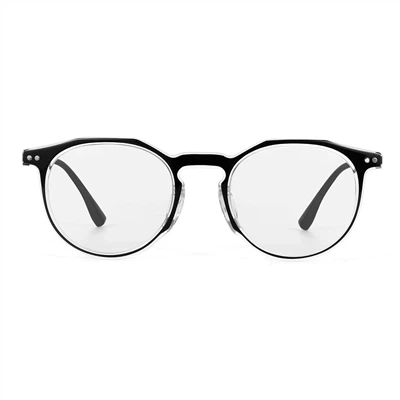
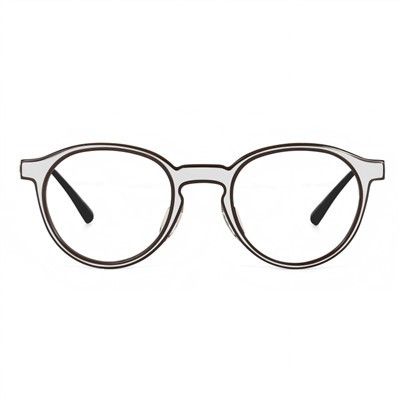


Carbon Fiber Sunglasses
Why Choose Us
Rich Experience
Shenzhen Deepward has been established in 2010, located in Henggang town, Shenzhen, one city where mainly produce high quality eyewear by gathering sophisticated industrial chain service and outstanding designs started from here.
Reliable Product Quality
As the company develops, we continue to introduce new technologies and materials to improve product quality and design diversity. We successfully developed metal eyewear production flow in 2015, which quickly is recognized by customers due to its exquisite quality.
Wide Product Range
Deepward mainly produce high quality handmade acetate eyewear, metal eyewear, Titanium eyewear, Carbon fiber eyewear, and all kinds of different material optical frame and sunglasses.
Professional Technical Team
The reason why Deepward can produce high quality eyeweas is that nearly 75% workers have been working in Deepward for more than 8 years. This is the most important reason which can guarantee the quality level stably.
What is Carbon Fiber Sunglasses
Carbon fiber sunglasses are ultra-light, ultra-thin, and one of the lightest materials on the market. Despite being roughly half the weight of titanium eyewear, it has excellent impact resistance. Carbon fiber is famous for toughness, flexibility, and there's no risk of deformation.


Advantages of Carbon Fiber Sunglasses


Lightweight and Durable
Carbon fiber isn't much heavier than plastic, yet it's much stronger and more durable. In fact, a pair of carbon fiber glasses weigh roughly the same as four quarters. And since it's so lightweight, carbon fiber sunglasses are the most comfortable option for daily wear. It combines the latest in technology and the highest quality to provide glasses that won't cause too much pressure on your ears or nose, even after wearing them all day.
Resists Moisture and Doesn't Rust
Many materials, especially metals, react badly to air and water, for instance, rusting, decaying, oxidizing, or breaking down unless protected. However, both carbon and epoxy resin are non-reactive and stable. In other words, they'll resist harsh weather conditions such as sea spray, excessive moisture, or even submersion.
Won't Bend or Change Shape in Hot Weather
Many materials contract or expand when exposed to temperature changes or humidity. But, carbon fiber eyewear can withstand extreme heat or cold and won't change size or warp because of its low thermal expansion qualities. Frames can survive the elements, travel, and more while offering decades of use.
Chemical Resistance
Epoxy makes carbon fiber chemically resistant to most acids, alcohols, and other chemical compounds you may come into contact with daily. And because it's highly resistant to chemicals and won't corrode, dissolve, or melt over time.
Visual Appearance and Aesthetics
Carbon fiber sunglasses provide superb protection from the sunlight without sacrificing style. What's more, carbon fiber has an instantly recognizable look. From the pattern to the way it catches the light, carbon fiber is a visually striking material.
Combinable with Other Materials
Although it's been around for more than half a century, there's still more to discover. Scientists are continuously inventing new ways to use carbon fiber with other materials. Combining carbon fiber with another material creates different properties. For example, using metal and carbon fiber results in a unique composite material that is stronger and lighter.
It's Hypoallergenic
Being hypoallergenic means carbon fiber is especially beneficial for those with metal allergies. If you experience allergic reactions or skin irritation from metal frames, you should consider carbon fiber shades for daily use. Carbon fiber has many more benefits, but these are our top reasons to love them. Above all, carbon fiber sunglasses come in styles that are perfect for all-day comfort and protection. One thing is definite: once you try carbon fiber shades, you won't want any other kind.
Rims
The rims are also called eye wires and help to hold the lenses in place. They define the overall character and form of the glasses. They are made of metal, plastic, carbon fiber, or acetate. There are three types of rims. Full rims surround the whole area of the lenses' edge, where the lenses are held together by a lens groove. Half rims encircle the lenses' upper half or in some cases, the lower half. Rimless lenses are held together by a screw or metal bridge via the outer edge.
End pieces
These are small plastic pieces of the front frame that link the lenses with the temples. They are found on the frame where they extend outward from the lenses and connect the hinges to the front frame. The wearer experiences extra comfort, especially if the glasses have metal frames.
Bridge
It is found in the middle of the frame and rests on the nose, linking up the two rims. The bridge carries the most weight of the glasses and determines if the sunglasses are the perfect fit. It forms part of the frame for full-rim frames, while an extra piece of the bridge is needed for rimless or half-rim frames. The bridge's design and style vary according to a person's facial shape.
Hinges
The hinges are movable metal joints found between the temples and end pieces or inside the frame. They enable the wearer to shut the glasses by folding and unfolding the temples. These hinges come in a variety of styles and can be secured in diferent ways. For instance, fexibility is possible with spring hinges since they can stretch beyond 180 degrees. Standard hinges work like door hinges and are the most common.
Lenses
The lenses are the most crucial part of the sunglasses since they carry the eye's prescription for clear vision. They can be made of clear glass, plastic, polycarbonate, or other lens material. They are held in place by the rims.
Screws
The screws are small plastic or metal parts that link the temples with the end pieces. They are found near the hinges and join together two halves of these hinges. The screws can be tightened to adjust the opening and closing of the temples. They are also located on the bridge and used to hold in place the nose pads. Ifa screw gets lost, it can be replaced.
Nose pads
These circular or oval pads provide comfort and a secure ft since they are designed to sit on the nose and keep the frame in place. They are round, made of plastic, and found under the bridge. Most metal frames have built-in nose pads, while plastic nose pads are found on metal frames. Full-rim nose pads form part of the frame front and are designed to avoid roughness on the nose. Push-in nose pads are fitted as a separate component to the frame's end, settling on the nose.
Pad arms
Pad arms are adjustable pieces designed to fit a person's natural facial shape. They extend from the rims, holding the nose pads in place. The parts are ftted to the nose pad on one end and the frame on the other. However, pad arms are not fitted in every frame.
Temples
The temples are long 'arms' found on the head's side. They extend from the hinge and over the ears so that they fit snugly. The temples' primary function is to secure the glasses to enable a person to perform routine daily activities. Varied temple lengths exist and they play a role in how the frame will ft.

You don't have to dive headfirst into a heap of sand to get dirty carbon fiber sunglasses (please don't try this at home). Carbon fiber sunglasses get dirty from typical everyday wear—a combination of you and your environment. We live in a world swirling with bits of dust, tiny specs of soil, and random matter that gets stuck to carbon fiber sunglasses all the time. Your own body can contribute a fair amount of grime, too. Sloughed-off dead skin flakes and body oils, plus any lotion and makeup you’ve put on, settle on the lenses and in the various crevices of carbon fiber sunglasses. Add in your own finger smudges, and you’ve got the potential for quite an accumulation of gunk on your carbon fiber sunglasses.
The Best Way to Clean Carbon Fiber Sunglasses: 5 Steps to Clear Sight
Wash and Dry Your Hands
Before you grab those carbon fiber sunglasses, make sure your hands are clean and dry. Otherwise, you’ll risk transferring dirt or oil from your hands to your carbon fiber sunglasses. And wet fingers can cause smudges. Thoroughly wash your hands with soap that doesn’t contain lotion or other emollients. Dry your hands with a lint-free towel or as close to lint-free as you can.
Rinse Your carbon fiber sunglasses With Lukewarm Water
Lukewarm tap water will work fine. Just hold your carbon fiber sunglasses under the running water and rinse them off. Be sure to include the frames and both sides of the lenses. And don’t let the water get too hot. This can damage some special lens coatings, like those used for polarized carbon fiber sunglasses.
Put a Drop of Dishwashing Liquid on Each Lens
Just one drop is enough. Again, use soap without lotion or other additives. You can substitute eyeglass cleaner (which is usually the same as carbon fiber sunglass cleaner) if you don’t have additive-free dishwashing liquid at home. Use a small amount of the cleaner, and be sure it’s safe to use with lens coatings. Then, gently rub the liquid around the frames and lenses. Be sure to clean the frame parts that come in contact with your skin or hair, like the temples and nose pads. Thoroughly (and regularly) cleansing your frame of oil and other grime can help your carbon fiber sunglasses stay in better shape for longer.
Re-Rinse Your carbon fiber sunglasses
Run your carbon fiber sunglasses under warm running water again until you’ve rinsed off all the soap.
Dry Your carbon fiber sunglasses
Use a fresh, lint-free microfiber cloth or towel (and avoid using paper products) so you don’t leave bits of lint on your nice, clean carbon fiber sunglasses. Dry them and hold them up to the light to see that you didn’t miss any dirt or smudges. Clean? If yes, you can put your carbon fiber sunglasses on. Or put them back in their protective case to keep them safe and spotless.
Things That You Need to Consider Before Buying Carbon Fiber Sunglasses
The Best Shape
Another thing that you need to take into consideration is the shape of your glasses. Some people prefer the retro sunglasses that have round shapes while other people like the trendy and funky square shape carbon fiber sunglasses. If you are a teenager, then you might like the round shape retro sunglasses. However, if you are a girl, you would most likely be a fan of the square shape. Therefore, carbon fiber sunglasses with any shape can be the best choice for your style.
Polarized Lenses
When you are buying the sunglasses, try to make sure that the sunglasses have polarized lenses. The polarized lenses are very helpful in reducing the glare from the sunrays. If you are out for some skiing, then having these sunglasses will be a great help in seeing the tracks, slopes and other objects clearly. There are many polarized lenses that can be found in almost all kinds of carbon fiber temples.
The Sunglasses Should Be Worn in All Weather Conditions
Many people often wonder whether the black grey lens can be worn in all weather conditions. The answer to this question is yes. These sunglasses can be worn in all weather conditions but it is essential to ensure that the frame and lens are not made up of the polycarbonate material. You Must Know What are the Bridge Width And Temple Length Before Buying: Another very important thing that people often forget to ask before buying these sunglasses is about the bridge length and temple length. These two aspects are very important to know before purchasing. If you have a large face, then it is suggested to buy round-shaped carbon fiber temples. If you have a narrow face, then the bridge width should be chosen according to your face size.
Cleaning Carbon Fiber Sunglasses: What Not to Do
To get your carbon fiber sunglasses clean the right way, you’ll want to steer clear of practices that can cause damage to them. Keep these don’ts in mind:
Don't use your clothes
Even if you only wear the softest cotton, the fabric of your clothing isn’t made for cleaning carbon fiber sunglasses and could scratch the lenses.
Don't use other cleaning products
Only use mild dish soap or carbon fiber sunglass cleaner that’s safe for lens coatings. For example, cleaning products containing acetone or alcohol, or household glass cleaners, can damage the coating on a pair of carbon fiber sunglasses.
Don't use your saliva
It isn't clean, and it won't clean your carbon fiber sunglasses. Plus, it’ll add germs (gross).
Don't use hot water
Stick with lukewarm water when rinsing your carbon fiber sunglasses. Too hot a temperature can damage the lens coatings.
Don't use hard water
If your home has hard water, consider using distilled water for cleaning carbon fiber sunglasses.
Don't use paper products
Paper towels, tissue paper, toilet paper, and napkins can all scratch your carbon fiber sunglasses and leave linty bits on them.
Don't use dryer sheets or fabric softener
When washing the cloths or towels you use to clean your carbon fiber sunglasses, don’t use dryer sheets or fabric softener. They can leave a residue on your carbon fiber sunglasses.
Don't try to buff out scratches
If your carbon fiber sunglasses are scratched and causing you to see less clearly, take them to an optical store.
Types of Carbon Fiber Sunglass Lenses Available
Prescription carbon fiber sunglasses
Prescription carbon fiber sunglasses are more convenient and more practical if you’re a contact lens wearer. Since you may not want to wear your contact lenses on the beach where your eyes can become itchy and watery as you battle with sand, sun, wind and water. Prescription carbon fiber sunglasses are available for almost any lens prescription, including bifocal and progressive lens options if you are presbyopic and need lenses to help you read that magazine or book at the pool.
Non-prescription carbon fiber sunglasses
They are universally popular. Choices of frames and lenses in this category are almost endless. You often have the option of having your regular eyeglass prescription incorporated into a carbon fiber sunglass frame. But many designer carbon fiber sunglasses that can be purchased “over-the-counter” are called “plano”, which means without prescription.
Performance carbon fiber sunglasses
They are a good option if you often participate in outdoor activities or if you work outdoors and do a lot of driving. Sport carbon fiber sunglasses are one of performance-oriented carbon fiber sunglasses developed to provide the best vision possible under extreme conditions. They are made of lightweight, flexible, durable materials, no-slip components that do not fail in the heat of the moment. And of course, many lens tints such as brown, green, gray, yellow and orange are available, with each color suitable for specific circumstances.
Polarized carbon fiber sunglasses
Polarized carbon fiber sunglasses have many benefits, especially for people who spend a lot of their time outdoors. Since these glasses contain a special filter that blocks this type of intense reflected light, reducing glare, they are perfect for skiers, bikers, golfers and joggers since all of these activities require the elimination of glare for optimum safety and performance. Polarized carbon fiber sunglasses can be helpful for driving, too, because they reduce glare-causing reflections from flat surfaces, such as the hood of the car or the road's surface.
Photochromic carbon fiber sunglasses
They are another option and are primarily for outdoor wear. They are not as clear indoors as other photochromic lenses, but they provide extra comfort in bright sunlight and behind the wheel. carbon fiber sunglasses with photochromic lenses start from an already relatively dark tint and get even darker based on the light conditions.
Our Certifications


Shenzhen Deepward has been established in 2010, located in Henggang town, Shenzhen, one city where mainly produce high quality eyewear by gathering sophisticated industrial chain service and outstanding designs started from here. Our company's story begins with a deep love for the craft of acetate eyewear. Relying on his rich experience in the glasses manufacturing industry and his keen insight into new materials and technologies, the founder decided to create a company focused on the production of high-quality glasses. In its early days, the company won praise from the industry for its superb craftsmanship, strict quality control and excellent customer service.