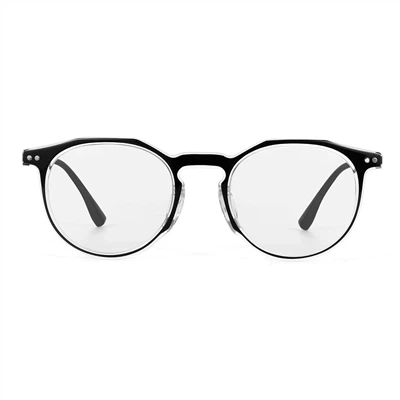
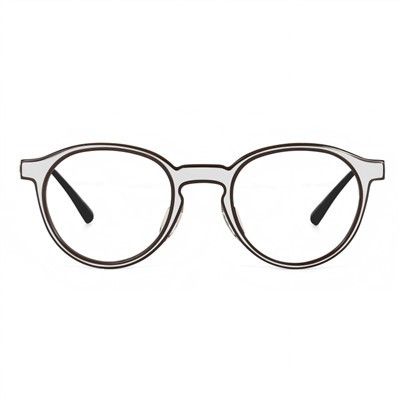


Acetate Sunglasses
Why Choose Us
Rich Experience
Shenzhen Deepward has been established in 2010, located in Henggang town, Shenzhen, one city where mainly produce high quality eyewear by gathering sophisticated industrial chain service and outstanding designs started from here.
Reliable Product Quality
As the company develops, we continue to introduce new technologies and materials to improve product quality and design diversity. We successfully developed metal eyewear production flow in 2015, which quickly is recognized by customers due to its exquisite quality.
Wide Product Range
Deepward mainly produce high quality handmade acetate eyewear, metal eyewear, Titanium eyewear, Carbon fiber eyewear, and all kinds of different material optical frame and sunglasses.
Professional Technical Team
The reason why Deepward can produce high quality eyeweas is that nearly 75% workers have been working in Deepward for more than 8 years. This is the most important reason which can guarantee the quality level stably.
What is Acetate Sunglasses
Acetate sunglasses are made from acetate film, a specific type of plastic material scientifically called cellulose acetate. Cellulose acetate is made from renewable products like wood pulp or cotton fibers. The chemical composition of acetate makes them more versatile than rimless glasses. The cellulose acetate is made by forming layers of plastic into large blocks, carefully slicing individual parts, hand polishing, and finally assembling them into the frame part of your acetate glasses.
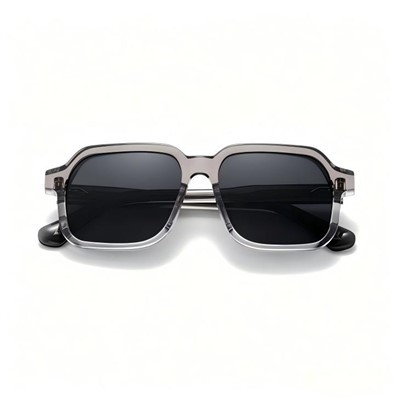


Hypoallergenic material
One of the best aspects of acetate glasses is that acetate is a hypoallergenic material, so it probably won’t cause any allergic reactions. You can comfortably wear these hypoallergenic acetate frames all day, and they are unlikely to irritate or react with your skin.
Eco-friendly
Acetate is an environmentally-friendly alternative to conventional plastics made from petroleum. Acetate frames are created with cellulose, a material found in plants; thus, these glasses frames are formed from renewable and natural sources.
Lightweight and comfortable
As your glasses are resting on your face for most of the day, the frames should be comfortable. Luckily, acetate is lightweight, so it is one of the best materials to use for frames. You might not even realize you are wearing eyeglasses most of the time when you are wearing acetate frames. As a result, say goodbye to the irritating pressure on the bridge of your nose and those pesky headaches you get from wearing glasses for too long!
Durable
Since glasses help many people read and function on a daily basis, durability is essential. Many conventional eyeglass frames are vulnerable to breakage, but acetate eyeglass frames are durable enough to withstand daily wear and tear.
Flexible
Acetate is a very flexible material, which helps your acetate sunglasses and eyeglasses frames last longer. Cellulose fibers bend fairly easily when force is applied to them, giving the acetate material great flexibility. The flexibility of acetate glasses allows them to mold to your face for maximum comfort. If you’re looking for an excellent investment, acetate frame sunglasses fit the bill, as they don’t break easily.
Rich design
Acetate frames are designed with aesthetics and fashion in mind. As such, they are usually stylish and fashionable. While colors and designs are typically painted or sprayed on conventional plastic frames, acetate frames result in richer designs. Since they are made from colored blocks of cellulose and then layered with multiple sheets, the colors and designs are much more vibrant and complex than conventional frames.
Components of Acetate Sunglasses


Lenses
The most obvious part of a pair of glasses is probably the lens. It’s the clear panel in the front of the glasses that you look through. Lenses can be manufactured to fit your prescription needs, and they can come in many varieties such as single-vision, progressive, bifocal, and even different colors and tints. It’s important to keep your lenses clean, so you can see everything clearly! We recommend using a microfiber cleaning cloth to get rid of any smudges on your lenses.
Temples
These are the part of the glasses frame that keep your glasses on your face securely. The temples (sometimes referred to as the arms) hook behind your ears and hold the glasses in place.
Temple tips
Along with the temples, there are temple tips placed on the edge of the temples. These parts of an eyeglass act as a guard against the skin because they help to prevent irritation from the metal.
Hinges
Hinges, just like those on a door, are the part of glasses frame that allow the glasses to fold inwards. They connect the temples of the glasses to the front, and help the glasses make for easy storage.
Rims
These are also often referred to as eye wires. Either your optometrist or eyewear provider will fit your lenses inside the rims after they’re made. They are the parts to glasses that become the most recognizable part of spectacles because of their color and design.
Bridge
The bridge is the little part in the middle of the two lenses that connects them. It holds 90% of your glasses’ weight and ultimately determines the fit of your pair. It can be customized according to the glasses shape or your face shape by being made shorter or longer (to accommodate high nose bridges or low nose bridges).
Nose pads
These parts of a glasses frame are the two little pieces on the inside of your glasses that sit on either side of your nose. Their purpose is to keep the glasses sitting nicely on the face and to avoid sliding down. Sometimes the nose pads are extended from the frame, and other times they’re adjustable and made from a different material (which is generally seen on metal frames).
Top bar
Some glasses also include a top bar (or brow bar), which is placed above the bridge between the lenses. It is used for stability and also for clip-ons (and the clip-ons attach to the top bar).
Clip-ons
Clip-ons are often used to transform regular glasses into sunglasses without a transitional lens, which automatically switches with the light. While they’re not as popular as they once were, they’re still used by some.
End pieces
These are placed at the corners of the frames and act as a connector between the hinges and the front of the glasses.
Acetate Sheets
New acetate combinations are generated by mixing organic colors with acetone and the raw acetate plant based material. Rollers help mix the paste onto already thin flat sheets of acetate to achieve the special color effects. Complex colorations are produced by layering several colors and sandwiching them together or pressing them through a variety of dies. The acetate film may be chopped into small cubes and rollered again. These layers are molded into large blocks. After which technicians intricately slice off single new sheets which are dried in large kilns for several weeks to cure the material.
Cutting and Forming
The frames are cut to shape using computer controlled mills according to the design input by the technician. The individual frame components are then hand finished by different highly trained technicians. They form the curve of the frame front, press the core wires and hinges into the acetate material. They apply the nose pads and hand finish many other features according to the design.
Polishing
The frame components are placed in barrels about the size of a washing machine full of wood chips and small stone. The components are tumbled together for many hours. After which, each frame is buffed by hand by an experienced technician to a highly polished luster.
Assembly
Further technicians fasten the arms to the frames with rivets and tiny screws. Lenses are inserted and the frame adjusted and cleaned.
Why Cellulose Acetate Is the Best Type of Hypoallergenic Sunglasses
Cellulose acetate doesn’t react with skin
Allergies to eyeglass frames result when the material used to construct the frame is reactive with the skin. Some materials such as nickel and certain types of plastics or other metals can cause skin reactivity when the material is partially dissolved by the skin’s natural enzymes at the molecular level.
Symptoms can range from rashes, to irritation, blisters, and other uncomfortable effects. Reactive materials can cause a skin reaction within minutes, while others can wear their frames for a longer period of time but eventually also still have some kind of skin reaction. Cellulose acetate has the major benefit of not reacting with the skin no matter how long you wear it.
Cellulose acetate is durable
It just so happens that many of the materials that are reactive with the skin also happen to be some of the lower quality materials used for eyeglasses. They frequently break down within weeks or months of usage, especially materials like cheap plastic or low quality metal eyeglasses.
Cellulose acetate, particularly premium Italian cellulose acetate, has the additional benefit of being far more durable than many other types of materials. As long as the frames are not abused and routine maintenance is performed, they can often last for several years. Even if the material is slightly bent or deformed it springs right back to its original state, and it’s comfortable to wear for an extended period of time.
Many people will allergies recover with cellulose acetate eyeglasses
Those who have suffered from allergies related to their eyeglass frames will often put up with it for too long before switching, because the reactivity can vary from one person to another. Some people only get slight red lines on their face which can disappear quickly, while others can break out with a larger rash and will need to make a switch to hypoallergenic eyeglasses sooner.
Many of those who switch to cellulose acetate eyeglasses notice an immediate difference. They are able to comfortably wear their eyeglasses for several hours without any symptoms at all. Those who have more serious allergies notice the most dramatic difference with cellulose acetate. They are also often lighter in weight than many other materials so they are easier to wear throughout the day.
How to deal with the Shrinkage Problem of Acetate Sunglass
The first step is to understand why this is happening. Acetate, which is the material used for most eyewear frames, is a type of plastic that responds to changes in temperature and humidity. Often times these frames will shrink when exposed to high temperatures or direct sunlight over time. This process of shrinking can cause the frame to feel too tight or even warp and distort the of the frame. The frame may also become brittle, which can result in breakage or damage to the within the frame.
Luckily, there are a few things you can do to help slow down or prevent further shrinkage. The best way to remedy this problem is prevention. To prevent shrinkage from happening in the first place, the most important factor in keeping your acetate eyewear from shrinking is proper storage. When not in use, acetate frames should be kept away from direct sunlight and sources of excessive heat or cold. Heat causes acetate frames to expand and then contract as they cool down again — this is what causes them to shrink over time.
Avoid exposing your frames to direct sunlight or high temperatures if possible. Acetate is extremely sensitive to heat which can cause it to warp or even melt if exposed for too long, resulting in deformities that can’t be fixed with adjustments from vision centers or opticians. If you find yourself out in sunny conditions often, consider investing in a pair of sunglasses specifically designed for outdoor wear such as those made from polycarbonate material which is much less prone to warping from heat exposure than acetate varieties are.
It's also essential that you avoid exposing your frames to harsh chemicals like alcohols and solvents. These substances can erode acetate molecules over time and increase the likelihood of shrinkage. It's best practices to handle your frames with clean hands only and keep them away from any materials that could potentially damage them.
Clean your frames regularly with mild soap and warm water only — never use alcohol-based products or chemical solutions as these could damage the plastic material permanently causing it to crack or change color over time. Additionally, avoid using paper towels or rough fabrics like cotton towels when cleaning your glasses as they may scratch the lenses; instead opt for microfiber cloths specially designed for cleaning delicate lenses and surfaces such as those used by professional or found online at stores such as Amazon or eBay.
You should have your glasses inspected by an optician at least once a year if you wear them regularly. An experienced optician can check for any signs of wear and tear on the frame material such as shrinkage or cracking which may not be visible from casual inspection at home. They may also be able to provide advice on how best to care for your frames such as switching out lenses more often or upgrading frame materials which are less prone to shrinkage over time such as titanium or tr90 plastic frames.
If your acetate eyewear has already begun to shrink, there are still ways you can remedy this problem. First, try using a hair dryer on a cool setting and slowly heat up each part of the frame evenly until it begins to expand slightly back into its original shape and size. Keep in mind that this method should be done carefully and with caution as excessive heat can lead to further damages such as melting parts of the frame or warping it beyond recognition.
Meanwhile, if you do notice signs of shrinking on your acetate eyewear frames, you could also take them into a professional optician or a optical store(where they might have special tools for adjusting frames back into their original shapes) as soon as possible so they can assess the situation and provide advice on how best to proceed. They may even be able to repair or replace your frames so you don't have to worry about shrinkage ruining their shape or functionality anymore!
5 Signs You Should Switch to Acetate Sunglasses
Many individuals experience discomfort or allergic reactions to certain materials used in eyewear. Acetate glasses offer a hypoallergenic solution, which can be a game-changer for those with sensitive skin.
Irritation from metal frames: Some people develop skin irritations when their skin comes into contact with metal frames, particularly if they contain nickel.
Plastic frames and chemical sensitivities: Lower quality plastics can release chemicals over time, which might cause reactions in sensitive individuals.
The frustration of constantly replacing broken eyeglass frames can be both time-consuming and costly. Acetate's durability is an essential consideration for those who live an active lifestyle or simply seek a more resilient option.
Metal frame weaknesses: Hinges and joints on metal frames can weaken and break from daily use.
Plastic frame fragility: Traditional plastic frames can snap easily under pressure or due to temperature changes.
One of the most crucial aspects of selecting the right eyewear is the comfort level, which is directly influenced by the weight of the glasses. Acetate frames offer a lightweight alternative that can significantly enhance the wearing experience, especially for those who wear glasses for extended periods.
Pressure points: Heavy glasses can create uncomfortable pressure points on the nose and behind the ears.
Long-term wear discomfort: Over time, heavier frames can lead to headaches and discomfort, signalling the need for a lighter option.
Glasses are not only a vision aid but also a fashion statement. Acetate glasses come in a vast array of colours and patterns, providing wearers with ample opportunity to express their personal style.
Limited colour options: Metal and basic plastic frames often come in a restricted range of colours.
Subdued patterns: Patterns, if available, are typically less pronounced on conventional frame materials.
Sustainability in eyewear extends beyond the choice of materials; it encompasses the entire lifecycle of the glasses, including maintenance and eventual disposal. In this section, we will discuss how to care for and responsibly dispose of eyewear, focusing on sustainable practices.
Cleaning Solutions: Opt for natural, biodegradable cleaning solutions rather than chemical-laden sprays.
Cloth Materials: Use a microfibre cloth made from sustainable materials for cleaning lenses.
Maintenance Tips for Acetate Sunglass
Cleaning
Use a mild soap or dishwashing liquid and lukewarm water to clean your acetate frames. Gently wipe the frames with a soft microfibre cloth to remove any dirt or smudges. Avoid using harsh chemicals or abrasive materials that may damage the acetate finish.
Storage
When not in use, store your acetate glasses in a protective case. This prevents scratches, dust, and other potential damage. Avoid placing them face down or leaving them in extreme temperatures, such as in a hot car, as this can affect the shape and integrity of the frames.
Avoid Chemicals
Keep your acetate frames away from harsh chemicals, including perfume, hairspray, and household cleaners. These substances can degrade the acetate material over time.
Regular Check-ups
Periodically check the screws to ensure they are snug but not overtightened. If you notice any loose screws or misalignments, visit an optician for adjustments to maintain the structural integrity of your glasses.
Water Exposure
While acetate is water-resistant, it's advisable to avoid prolonged exposure to water. Remove your glasses before swimming or immersing them in water to prevent potential damage.
Professional Cleaning
Consider professional cleaning for a thorough maintenance routine. Optometrists often offer cleaning services, ensuring that your acetate frames receive the care they need.
Our Certifications


Shenzhen Deepward has been established in 2010, located in Henggang town, Shenzhen, one city where mainly produce high quality eyewear by gathering sophisticated industrial chain service and outstanding designs started from here. Our company's story begins with a deep love for the craft of acetate eyewear. Relying on his rich experience in the glasses manufacturing industry and his keen insight into new materials and technologies, the founder decided to create a company focused on the production of high-quality glasses. In its early days, the company won praise from the industry for its superb craftsmanship, strict quality control and excellent customer service.