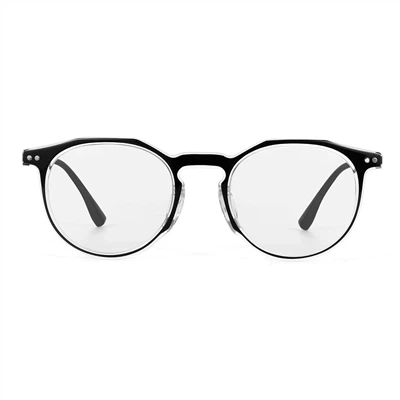
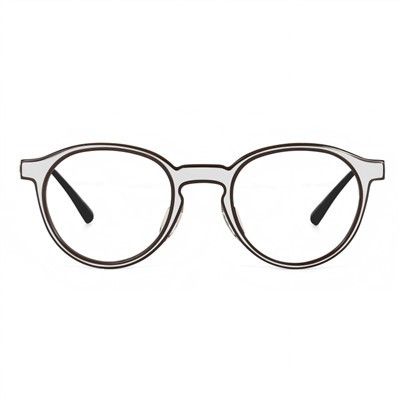


Acetate Spectacle Frame
Why Choose Us
Rich Experience
Shenzhen Deepward has been established in 2010, located in Henggang town, Shenzhen, one city where mainly produce high quality eyewear by gathering sophisticated industrial chain service and outstanding designs started from here.
Reliable Product Quality
As the company develops, we continue to introduce new technologies and materials to improve product quality and design diversity. We successfully developed metal eyewear production flow in 2015, which quickly is recognized by customers due to its exquisite quality.
Wide Product Range
Deepward mainly produce high quality handmade acetate eyewear, metal eyewear, Titanium eyewear, Carbon fiber eyewear, and all kinds of different material optical frame and sunglasses.
Professional Technical Team
The reason why Deepward can produce high quality eyeweas is that nearly 75% workers have been working in Deepward for more than 8 years. This is the most important reason which can guarantee the quality level stably.
What is Acetate Spectacle Frame
Acetate frames have always been a popular trend in eyewear. It is a synthetic fibre derived from natural raw materials such as wood and cotton fibres. From being sturdy and temperature resistant to being available in playful colours.





Advantages of Acetate Spectacle Frame


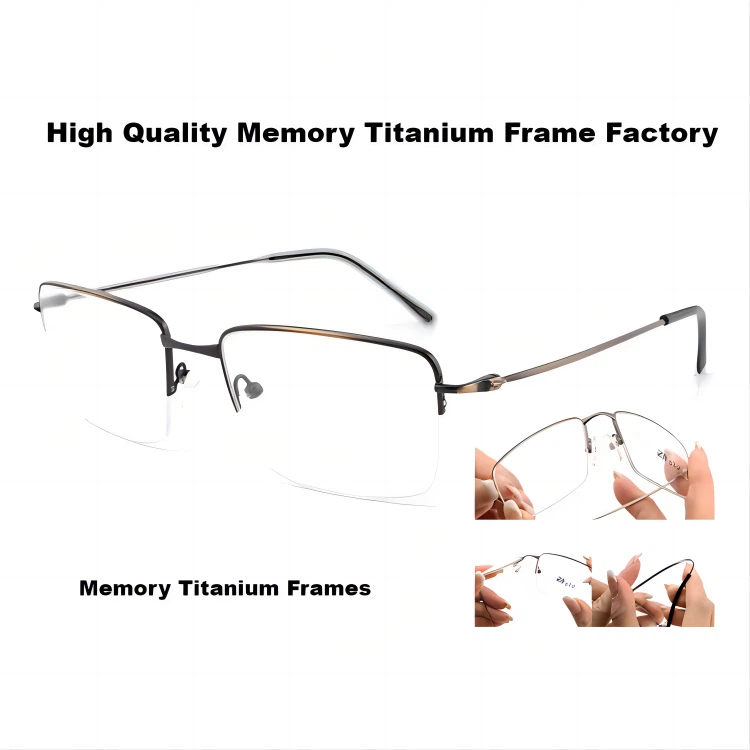

Lightweight
If you need to wear glasses during the day, comfort is essential. Acetate frames offer a brilliant solution: they're made of lightweight plastic, so you won't feel any discomfort when wearing them, even after hours of use. Acetate glasses do not put pressure on the face or ears. No more constantly adjusting and moving - just relax because the acetate frame will stay in place all day long! Acetate frames offer exceptional comfort as the nose pads are integrated into the frame itself, reducing any friction or irritation that metal framed glasses may cause. Plus, you don't have to worry about those red marks on your face - wearing metal frames can be a nasty nuisance!
Durable
Acetate frames are constructed with much more care and rigor than standard plastic frames, with several layers of high-quality plastic formed into large pieces that must be cut individually. They are then polished, heated and bent into shape to create the frames. The result is a pair of eyeglasses that can be adjusted more readily than plastic frames and which provide superior durability and comfort. The slow process gives acetate unrivaled strength - making it ideal for anyone looking for durable eyewear!
Flexible
Acetate frames are not only highly elastic, but also very flexible and extremely durable. That's why they can withstand damage better than other types of eyeglass frames. Acetate flexes and adjusts to fit comfortably around your face, reducing pressure on any given area. This flexibility makes them more forgiving than other materials like metal or titanium frames, which can cause discomfort if installed incorrectly.
Fashionable
Acetate frames offer the best combination of reliability and style. When choosing acetate frames, you don't have to sacrifice function for style; they offer the perfect balance of both! Not only are they durable, but they're also available in a variety of styles, colors and patterns, so you can find the perfect look for your face shape. With a range of options available, you can find something to suit a traditional look as well as a more modern or edgy style.
Protective
Acetate glasses are highly water resistant, making them ideal for those outdoorsy individuals who often find themselves in wet or wet conditions. Not only can they withstand high humidity, but they are also resistant to rain and other forms of precipitation. In addition, these glasses have higher durability than many other materials, allowing them to withstand daily wear and tear with minimal damage. Acetate glasses also provide enhanced protection from harmful UV rays, as they are coated with an anti-UV layer that blocks up to 99% of UVA/UVB radiation.
Safe
Acetate eyeglass material is a non-allergenic material that has many benefits for those suffering from allergies. It consists of polymers derived from cotton or wood cellulose combined with plasticizers to make it soft and elastic.
Why Acetate is a Great Material for Spectacle Frames
Acetate is lightweight
Comfort is essential if you wear eyeglasses throughout your day. Acetate is a highly lightweight plastic, so it’s the perfect material for eyeglass frames. When wearing an acetate frame, you won’t feel discomfort even if your eyeglasses have been on your face the entire day. You’ll no longer have to go through the inconvenience of having to readjust your eyeglasses every few minutes.
With an acetate frame, the nose pads are molded into the rest of the frame, providing much more comfort and eliminating friction. When you wear acetate eyeglasses, you don’t have to worry about getting those red marks on your nose like when you wear metal frames.
Acetate is durable
Acetate frames are made by forming several layers of plastic into large blocks, cutting individual parts, polishing them, and forming them into frames. Compared to how conventional plastic frames are formed, the acetate-forming process takes longer. It is this process that gives acetate its durability.
If you are looking for a lightweight frame with durability that rivals metal frames, an acetate frame is the way to go.
Acetate is flexible
Acetate frames are durable, not just because they can withstand more damage than other frames. The durability of acetate is due in large part to its flexibility.
The more flexible your eyeglass frame is, the longer it will last. This doesn’t mean that acetate frames are impervious to breaking. However, with an acetate frame, you can rest easy knowing that your eyeglasses won’t snap in two at the slightest pressure.
Acetate offers plenty of design choices
One of the best things about acetate frames is that they are durable and fashion-forward at the same time. Acetate frames give you the best of both worlds.
Acetate frames are designed for fashion, and you have many options regarding colors, patterns, frame shapes, and designs. The durability of acetate frames allows them to retain the luster of their color or design. You’ll see the color or design chipping off with conventional plastic frames rather quickly. Due to the way acetate is formed layer by layer, the color or design on the frame stays true much longer.
What Problems Will Occur with Acetate Spectacle Frame

Frames sit too high or too low
If it feels like your glasses sit too high or low on your face, you might need to adjust the nose piece. Lower the placement of the frames by spreading the nose pieces apart or raise the placement of the frames by bringing the nose pieces together.

Frames feel tight or loose
Adjust the arms of your frames if they feel too tight or too loose. You can bend the arms outward to alleviate the tightness against the side of your head or inward to tighten them and lower the risk of them falling off.

Frames feel off-centered
If your frames seem to tilt to one side, it may be because the sides of the frames aren’t aligned, your temples aren’t necessarily parallel to one another, or your ears are at different levels (this is normal!). To adjust, gently bend the hinge in the direction that will fix the misalignment.

Are Plastic Spectacle Frames Similar to Acetate Spectacle Frames
Material Origin
Acetate is derived from plant-based materials like wood pulp and cotton fibers, making it a renewable resource. Regular plastic frames are typically made from petroleum-based nylon pellets.
Hypoallergenic Properties
Acetate is known for being hypoallergenic, which is beneficial for wearers with sensitive skin. Plastic frames may not offer the same hypoallergenic qualities.
Weight and Comfort
Acetate frames are generally lightweight and comfortable to wear, whereas plastic frames can be heavier and less flexible, which might affect comfort levels.
Adjustability
Acetate frames can be easily adjusted for a better fit by heating and molding them, while plastic frames are more rigid and challenging to change.
Durability
Acetate is known for its durability and capability to maintain its form and color over time. Plastic frames can be more brittle memory metal and prone to breaking.
Color and Pattern
The color and pattern in acetate frames are embedded within the material, offering a richer and more lasting finish. Plastic frames often have colors painted or sprayed on, which may fade or chip over time.
Environmental Impact
Acetate is considered more eco-friendly due to its plant-based origin, whereas regular plastic has a more significant environmental impact because it is derived from fossil fuels.
Acetate vs. Metal Spectacle Frames in Sunglasses
|
Factor |
Acetate Frames |
Metal Frames |
Comparison Tip |
|
Durability |
Known for their robustness, can withstand daily wear and tear quite well. |
Tend to be very durable, with some metals like titanium known for exceptional strength. |
Consider your daily activities. Durable metal might be preferable for sports or outdoor activities. Acetate could be sufficiently durable for regular use. |
|
Comfort and Weight |
Generally lightweight, though some designs might feel heavier. |
Often lighter than acetate, with added comfort due to adjustable nose pads. |
Try on both types to see which feels more comfortable, especially for long periods. |
|
Style and Aesthetics |
Offer a wide variety of colors and patterns for a more personalized look. |
Provide a sleek, minimalist style, typically in more subdued colors. |
Think about your personal style. Do you prefer bold and expressive (acetate) or sleek and sophisticated (metal)? |
|
Sensitivity to Materials |
Hypoallergenic, making them a safe choice for sensitive skin. |
Can cause allergic reactions in some people, especially frames containing nickel. |
If you have skin sensitivities, acetate might be the safer bet. |
|
Weight and Shape Retention |
Can warp with heat and might not retain shape as well as metal. |
Better at retaining shape over time, even with exposure to different conditions. |
Consider your environment and how you store your glasses. Metal frames might be more resilient in varied conditions. |
The manufacturing process of acetate spectacle frames
Front frame production process is mainly a milling process that uses 4-axis and 5-axis CNC machines to process the acetate. According to the manufacturing process, CNC is first used to complete the milling of the internal shape of front frame, and then proceed with the milling of the external shape ,it's equipment oriented professional production. The processes can be divided into frame cutting process, frame shape milling process,temple and frame tumbling process, front frame bending process, end piece assembly process(also called front frame and temple assembly), cleaning process, etc.
The temple production process mainly uses semi-automatic equipment to operate the production. F irst, the temples are positioned and heated on a special machine through clamps or molds, and then shoot metal core into the acetate temples, which not only make the temple looks beautiful, but also get some intensity. The subdivision process can be divided into the temple cutting production process, the temple core shooting production process, the temple trademark engraving production process, the temple hinge sealing production process and the cleaning process.
The production process of matching front frames and temples is mainly to ensure that the qualified frames and temples are physically consistent with the production system, ensuring that the front frames and temples (left and right) of each production order are matched in quality and quantity, get ready for the next production process of the front frame and temple tumbling and polishing.
The tumbling production process of the front frame and temples mainly use small pieces of wood coated with oil other natural material to polish and grind them to smooth and shine the surface of the raw acetate frame . There are 4 phases of the tumbling based upon the size of the piece of wood which determine the degree of polishing: grinding tumbling, smoothing tumbling, polishing tumbling and shining tumbling.
The finished product assembly is a production process that assembles such as front frames, temples, lenses, and decorations into a pair of finished glasses in accordance with operating sequences and quality requirements. The finished product assembly production process mainly includes temple cutting, front frame and temple assembly, grinding, polishing, cleaning, decorate, printing, lens mounting, frame adjustment and packaging .
How to Fix Warped Acetate Spectacle Frame
Place the microfiber cloth on a table or flat surface and remove lenses from the frame.
To remove the lenses, use both hands to hold the frame. Have one hand on top of the frame to secure it, and have your other hand on the bottom with your thumb pressed against the inside/face side of the lens.
While securely holding the frame, pinch the frame and push the lens out using your thumb.
Place the removed lens onto the microfiber cloth.
Reminder: Keep the right and left lenses on their respective sides to better keep track of which one goes on which side of the frame.
Get a bowl or container of warm to hot water, and place the frame in the water.
The water should be fairly warm, but not uncomfortable to touch.
Let the frame soak in the warm water for 30 seconds to a minute.
Use both hands to manipulate and adjust the frame.
Hold the frame firmly and gradually twist/bend the frame back to its original shape.
This applies to any part of the acetate frame that is bent out of shape.
Take caution when adjusting an older frame. Older frames tend to be more brittle and cannot be adjusted as easily without potential damage or breakage.
Place the frame on a flat surface to ensure that it is even and sits straight.
If the frame is not even and wobbles on a flat surface, repeat steps 2 through 4.
You can place the frame upside down to better see where the frame is uneven.
Reinsert lenses back into the frame.
To reinsert your lenses, place one hand at the top of the frame where you are inserting the lens.
Place the lens into the groove of the frame, holding it down with your thumb.
Press the lens along the edge of the frame, and the lens will pop back into the frame.
If the lens is difficult to insert, warm up the frame a little bit to make it more malleable. The lens should pop back in without too much pressure.
Once the lenses are back in the frame, clean the frame with cool, clean water and a bit of dish soap.
Make sure to dry it with a lens cloth to avoid scratching/damaging your lenses.
Your frame may need additional adjustments if it does not fit on your face or is uncomfortable. The previous steps can also be used to adjust the frame and temple arms if needed.
Common Mistakes in Acetate Spectacle Frame Care
Using Incorrect Cleaning Solutions
The biggest blunder lies in using the wrong cleaning solutions. Many people, in an attempt to keep their glasses spotless, resort to using household cleaners, alcohol-based solutions, or even vinegar. However, these substances can be detrimental to acetate frames. They can strip away the sheen, cause the color to fade, and even weaken the material, making it more susceptible to cracking.
Exposing to Extreme Temperatures
Acetate, while durable, is not immune to the effects of extreme temperatures. High heat can cause the frames to soften and lose their shape, while cold temperatures can make them brittle and more prone to snapping. A common scenario is leaving glasses in a car on a sunny day, which can quickly escalate to a warped frame disaster.
Rough Handling and Storage
Negligence in handling and storing acetate glasses is another significant contributor to their premature wear and tear. Simple acts like placing them lens-down on surfaces, tossing them into a bag without a protective case, or leaving them in areas where they can easily be knocked over can lead to scratches, cracks, and even broken frames.
Our Certifications


Shenzhen Deepward has been established in 2010, located in Henggang town, Shenzhen, one city where mainly produce high quality eyewear by gathering sophisticated industrial chain service and outstanding designs started from here. Our company's story begins with a deep love for the craft of acetate eyewear. Relying on his rich experience in the glasses manufacturing industry and his keen insight into new materials and technologies, the founder decided to create a company focused on the production of high-quality glasses. In its early days, the company won praise from the industry for its superb craftsmanship, strict quality control and excellent customer service.