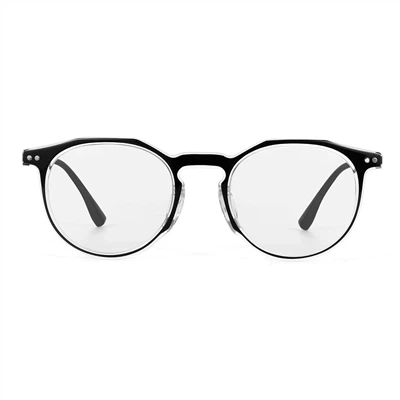
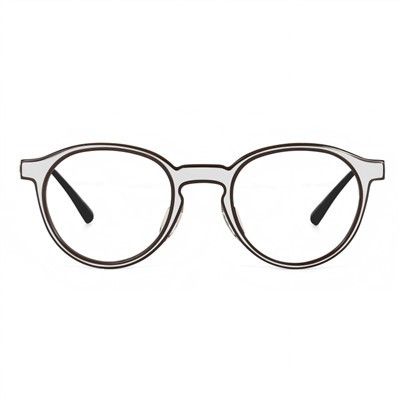


Sunglasses
Why Choose Us
Rich Experience
Shenzhen Deepward has been established in 2010, located in Henggang town, Shenzhen, one city where mainly produce high quality eyewear by gathering sophisticated industrial chain service and outstanding designs started from here.
Reliable Product Quality
As the company develops, we continue to introduce new technologies and materials to improve product quality and design diversity. We successfully developed metal eyewear production flow in 2015, which quickly is recognized by customers due to its exquisite quality.
Wide Product Range
Deepward mainly produce high quality handmade acetate eyewear, metal eyewear, Titanium eyewear, Carbon fiber eyewear, and all kinds of different material optical frame and sunglasses.
Professional Technical Team
The reason why Deepward can produce high quality eyeweas is that nearly 75% workers have been working in Deepward for more than 8 years. This is the most important reason which can guarantee the quality level stably.
What is Sunglasses
Sunglasses are an important type of eyewear that help to protect the eyes from UV rays emitted by the sun, as well as potentially harmful elements such as wind, dust, smoke and snow. Sunglasses work by applying a tint, coating or filter to a plano or plain lens, which helps to act as a barrier between the eye and UV rays as well as other elements. Sunglasses are an important piece of eyewear as they protect the eyes which are a crucial and sensitive part of our body. UV rays from the sun can be harmful to the eyes if the eyes are exposed to it for prolonged periods of time.
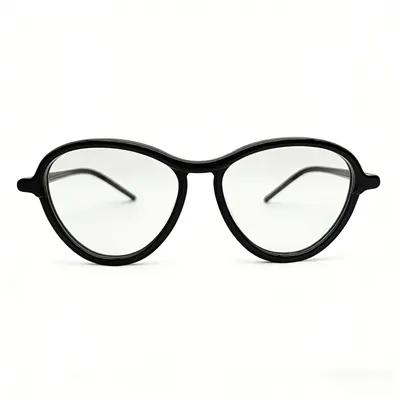
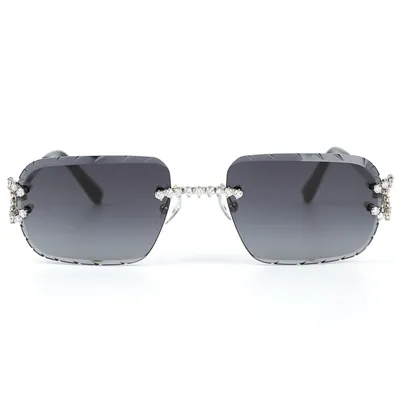




Advantages of Sunglasses


Protection from UV Rays
Sunglasses do a great job of shielding our eyes from harmful UV rays. Suppose your eyes get hit with UV rays for long chunks of time. In that case, it can increase your risk of developing cataracts, macular degeneration, and photokeratitis (sunburn of the eye). By wearing sunglasses that effectively block UVA and UVB rays, you can minimize your UV exposure and reduce the likelihood of developing eye-related ailments. As UV damage accumulates over time, consistently protecting your eyes with sunglasses will contribute to better long-term eye health.
Reduce Eye Strain
Excessive sunlight or prolonged exposure to the sun can lead to eye strain. Our pupils instinctively attempt to limit the entry of light. When we transition between outdoor and indoor environments or constantly move between bright and shaded areas, our eyes experience overexerting. Switching light environments too much can quickly lead to headaches, blurry vision, and fatigue. By wearing sunglasses, you can alleviate the workload on your eye muscles and alleviate these symptoms.
Skin Cancer Prevention
Your face and the area around your eyes aren’t immune to skin cancer. Unprotected exposure to the sun and UV rays can heavily affect the sensitive skin area around our eyes. This can potentially lead to skin cancer and sunburn. Limiting your direct exposure to the sun and wearing sunglasses are your best options for preventing the development of skin cancer in this area. You should also always be wearing sunscreen as well.
Debris Protection
Sunglasses do a great job of keeping foreign objects out of your eyes. We’re talking about dirt, dust, rocks, and sometimes even tiny bugs that can find their way into your eyes. The best way to block wind from your eyes is by wearing sunglasses. Constant wind hitting your eyes can be uncomfortable and lead to watery and red eyes. This can then lead to obscured vision. Cold winds that irritate the eyes happen more often in winter. Just because it’s cold outside doesn’t mean you shouldn't be wearing shades!
Minimize Glare
Glare affects us daily, typically from windows, mirrors, screens, and pavement. Not only does glare cause discomfort, but it can cause temporary blindness for a short time. Be sure to avoid glare when driving. Driving and obscuring your vision is very dangerous for everybody in the car and on the road. Sunglasses with polarized lenses are the best solution for reducing glare. Your visibility will improve, and you’ll avoid discomfort with a pair of polarized sunglasses.
Express Yourself with Sunglasses
By wearing sunglasses, you not only safeguard your eyes but also have the opportunity to display your style. Sunglasses come in a wide array of lens colors, frames, and designs, allowing you to experiment and find the perfect combination that suits your taste and outfits. There have never been so many different designs of sunglasses before. With all of the options, you’ll be able to find your perfect pair.
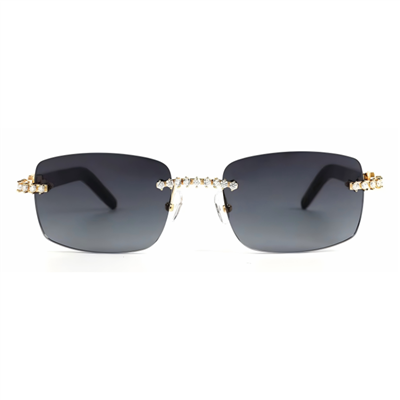
Rectangle Sunglasses
For a classic, more sophisticated shape, you can always rely on the rectangle frame. Rectangle sunglasses have lenses that are more wide than tall, with corners that can be either sharp or rounded. Because so many styles of sunglasses have lenses that skew larger and rounder than regular glasses, rectangle sunglasses can read as classy and understated.
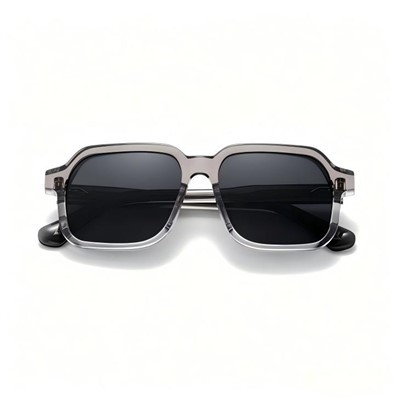
Square Sunglasses
Square sunglasses show off big, blocky lenses with even sides. Despite its name, this sunglass style doesn’t have to be super angular—its corners are often soft, the perfect complement to its bold shape. All the fashion icons know: it’s hip to be square. (Sorry, we truly couldn’t resist.)
Round Sunglasses
Although they were popularized by John Lennon and the bohemian crowd, round sunglasses are more versatile than their origins suggest. You can play up the vintage look with thin, round frames, or you can opt for a more contemporary statement with thicker lines.
Cat-Eye Sunglasses
The cat-eye shape seems tailor-made for sunglasses. When you combine the mystique of tinted lenses with those upswept corners and a colorful frame, you get sunglasses that can’t be ignored. However, if you’re feeling stylish yet subtle, you can browse this type of sunglasses with thinner rims.
Aviator Sunglasses
Aviators have come a long way from their roots as sunglasses meant for pilots. Today, everyone can appreciate their commanding size and distinct teardrop-shaped lenses. This style often pairs a colorful tint with a sleek metal frame, and its broad lenses provide ample sun protection.
Browline or Clubmaster Sunglasses
Another retro sunglasses style, browline or clubmaster sunglasses made a big splash in the ’50s. Their design focuses on bold brows with minimal (or absent) lower rims, and lends the wearer a distinguished edge.
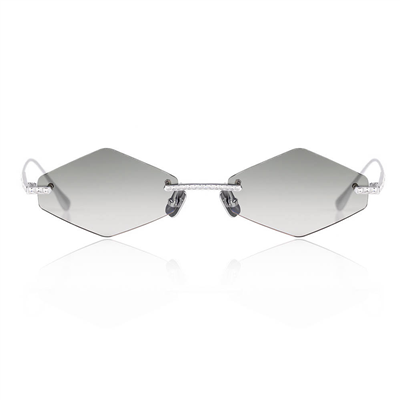
Geometric Sunglasses
Geometric sunglasses embrace the oft-forgotten shapes, such as octagons, hexagons, and trapezoids. They’re playful and memorable, so fair warning: you’ll likely field a lot of questions about where you got them.
Keyhole Bridge Sunglasses
Technically, keyhole bridge sunglasses could also be any of the types of sunglasses we’ve already mentioned, with one essential feature: a keyhole-shaped gap below the bridge. It’s a small accent that adds substantial charm to a frame.
Brow Bar Sunglasses
Some styles of sunglasses incorporate a brow bar that connects the two lenses above the bridge. It’s a common touch on aviators, but other shapes are also adopting the trend, creating frames with a robust and polished look.
Oversized Sunglasses
When it comes to sunglasses, you can go as big as your personality. Oversized frames increase the coverage of your sun protection and broadcast your style to everyone who looks your way. This style can also have an alluring, nostalgic feel, evocative of movie starlets and avant-garde pioneers.
Sunglasses Lens Materials
Polyamide is the premium option for sunglass lens material and sunglass fix lens of choice. Even though it is the most expensive compared to glass, it has nearly the same optical clarity, it is shatterproof and it’s flexible enough to self install into sunglasses.
Glass is one of the best sunglass lens materials. It refracts light more efficiently than other alternatives, such as plastic, and offers an incredible optical experience. It is also the most scratch resistant and effectively filters UV light than other materials. While it is the best lens material for sunglasses, glass is heavier, costlier, and prone to cracking.
This sunglass lens material provides optimal impact resistance and excellent optical clarity. This has made polycarbonate the standard material for safety, sports, and children's eyewear. Polarized polycarbonate lenses are lightweight and affordable but less scratch- resistant.
Acrylic lenses are a cheaper alternative to polycarbonate. These types of sunglass lens material are designed for your occasional or casual use of sunglasses. They are optically less clear than glass and polycarbonate lenses and have some image distortion.
An abbreviation for Columbia Resin #39 CR-39, sunglass lenses have gained massive traction since their introduction in 1947. They are affordable, boast excellent optical clarity, are more resistant to radiation, aging, material fatigue, and chemicals, and are not likely to shutter. CR 39 polarized lenses are also lighter and easy to tint.
5 Key Considerations When Selecting Sunglass Lens Materials
UV Protection
Always select sunglasses lenses that offer 100% UV ray protection to safeguard your eyes. This is crucial in preventing eye strain and damage from prolonged exposure to sunlight.
Impact Resistance
Consider your lifestyle when choosing sunglasses. For highly active users, materials like nylon or polycarbonate are recommended for their high-impact resistance, ensuring safety during physical activities.
Clarity and Optical Quality
Opt for materials like glass lenses or high-index lenses for the best visual experience. These materials minimize image distortion and provide excellent optical clearness, reducing eyestrain in various lighting conditions.
Tint and Color Options
Different lens colors and tints can enhance vision in specific environments. Selecting the appropriate tint and color can improve contrast and visibility, making activities like driving or sports safer and more comfortable.
Lifestyle and Usage
Your choice should be influenced by your daily activities. Glass lenses, for instance, are suitable for casual wear due to their clarity and aesthetic appeal, whereas nylon lenses, known for their durability, are better suited for demanding outdoor activities. Additionally, considering features like anti-reflective coating can further reduce eyestrain and enhance the functionality of your sunglasses lenses.
Sunglasses Frame Materials
Metal Frames
Metal frames have long been a popular choice for sunglasses due to their strength, sleek appearance, and durability. Stainless steel frames are corrosion-resistant, lightweight, and hypoallergenic, making them suitable for individuals with sensitive skin. Titanium frames are known for their exceptional strength-to-weight ratio, making them incredibly lightweight yet highly durable. They are also resistant to corrosion and ideal for those seeking maximum comfort. Aluminum frames are lightweight and provide excellent resistance to corrosion, making them a practical option for outdoor activities.
Plastic Frames
Plastic frames are versatile, and lightweight, and offer a wide range of design possibilities. Cellulose acetate, a plant-based material, is widely used in eyewear manufacturing. It is known for its flexibility, durability, and ability to hold vibrant colors, patterns, and textures. Nylon frames, made from polyamide, are exceptionally lightweight and offer excellent impact resistance, making them suitable for active individuals. They are also resistant to heat and chemicals, adding to their durability. Additionally, injection-molded plastics, such as propionate and polyurethane, provide affordability and design flexibility.
Other Frame Materials
In addition to metal and plastic, sunglasses frames can be made from alternative materials with unique characteristics. Wood frames have gained popularity for their natural, eco-friendly appeal. They are lightweight, comfortable, and can be crafted from sustainably sourced materials. Bamboo frames, in particular, are lightweight and have a distinctive grain pattern. These materials provide a stylish, earthy look and are ideal for individuals seeking a more sustainable option. Additionally, some sunglasses feature frames made from innovative materials like carbon fiber or TR-90, a thermoplastic material known for its flexibility and impact resistance.
Choosing the Right Sunglasses for Your Face Shape

01
Oval faces
Oval-shaped faces are flattered by nearly every style of sunglasses. The smooth curves and angles of an oval face make it easy to dress up, whether you prefer a bold style or a classic silhouette. But if you have smaller features, you may want to avoid oversized shades so you don’t overwhelm your facial characteristics.

02
Round faces
Complementing a round face is easy to do with the right sunglasses shape. Round faces have nearly equal dimensions in length and width, so steer clear of round frames if you don’t want to accentuate this roundness. Instead, try a pair that extends past the widest part of your cheekbones to break up the curves of your face. Square, rectangular and Wayfarer-style frames are all good options for round faces.

03
Square faces
Softening the edges of a square face is key when finding the perfect pair of sunglasses. A pair of round, oval or aviator sunglasses is ideal for someone with a square face because they add balance among angular features. Be sure to get a pair that is the width of your face or larger for the most flattering look. Sunglasses that are too narrow for your face can be unfavorable to your natural dimensions.

04
Heart-shaped faces
Those with heart-shaped faces often have a broad forehead, wide cheekbones and a narrow jawline. This combination of facial features is best accentuated by rimless sunglasses and rectangular or cat-eye frames. Smaller is better for heart-shaped faces, as oversized frames can be overwhelming on your unique angles and curves.
Sunglasses generally work by covering the lenses of the glasses in a tint, coating or filter that helps to provide a barrier between the eyes and UV rays. The lenses of sunglasses are what protect the eyes from UV rays, and other potentially harmful elements. The lenses of sunglasses vary in make, and can include tinted and polarised lenses. Tinted sunglasses refers to lenses that are covered in a pigmented dye. This dye can include various colours such as grey and yellow. Tinted sunglasses provide limited protection from the sun and its UV rays as well as little to no glare protection. Polarised sunglasses are a type of sunglasses that helps to protect the eyes from UV rays, but also works to limit glare. Polarised sunglasses work by coating the lens with a filter. The filter in polarised lenses helps to reflect glare from various surfaces such as roads, water and snow. Sunglasses will work best if they are on the larger side, or wrap around the eyes, as the bigger the surface area of the lens, the more protection they offer the eyes. Sunglasses also work best if they fit across the nose properly, so there are no gaps where the sun or other elements can interfere with the eyes.
Function of Sunglasses
Block the Sun
Sunglasses’ primary purpose is to block the sun. Are you a cyclist, driver, or fishing enthusiast? Whether you work outside or you enjoy outdoor activities, you need sunglasses. It blocks the harmful UV rays and glare and improves visual clarity.
Optical Correction
We can’t stress enough the importance of sunglasses for eye protection. Besides, it also has a critical function when it comes to optical correction. For contact lens wearers, sunglasses also prevent water evaporation. If there’s reduced water vapor, it can maintain contact lenses’ optical properties. As a result, it leads to a better vision.
Protection Function
Sunglasses prevent the eyes from getting burned by strong sunlight. But, with the thinning of the ozone layer, serious eye diseases may happen even if you don’t look at the sun. Without protection, ultraviolet (UV) rays can cause long-term damage to the eyes. Thus, sunglasses lenses must have adequate blocking protection against the sun.
Decorative Purposes
Sunglasses provide unique fashion. You can choose from different styles and colors. We can see it a lot, especially during summer for many people. Some people also put their sunglasses on their heads. Others hang them in their clothes as an accessory.
Wash your sunglasses regularly with warm soapy water.
The most common cause of damage to sunglasses is tiny scratches. Using a napkin or your shirt to wipe the grime off your glasses can be tempting. But don’t! Using any sort of cloth or fabric with natural fibers can cause tiny scratches, leave behind lint, and only smush the dirt and oils around. Start a habit of washing your sunglasses several times a week in warm soapy water, rinsing them thoroughly, and then drying them with a microfiber cloth.
Microfiber Cleaning Cloths.
Microfiber cleaning cloths are the best way to maintain your sunglasses. You can purchase cleaning cloths inexpensively and keep them handy in the places you need to use them: backpack, purse, vehicle, home, work, etc. When it comes time to wash your microfiber cleaning cloths, use warm soapy water, rinse thoroughly, and let air dry. Do not put them in the regular wash, especially with fabric softener, as your washing machine may not rinse all the soap out, and fabric softeners are made of oil and will only make the smudging on your glasses worse.
Avoid cleaning your sunglasses when dry.
Pair your microfiber cloth with an eyeglass cleaning spray for an optimal and safe clean. Do not use harsh cleaners such as window cleaners containing ammonia or alcohol, as this may remove your specialty coating on your glasses. A good lens cleaning spray can also be used for your electronic devices to safely clean screens to avoid scratching or ruining their touch-sensitive properties.
Store your sunglasses with care.
Avoid leaving your prized sunglasses in a hot car or the sun. The heat may warp your frames and damage plastics, especially if you live in a scorching climate. (Have you seen the videos of people baking cookies in their cars?) When not in use, place your sunglasses in their carrying case to offer more protection, especially during transport. Keep the lens side up when setting your sunglasses down to avoid scratching right where you need to see through.
Our Certifications


Shenzhen Deepward has been established in 2010, located in Henggang town, Shenzhen, one city where mainly produce high quality eyewear by gathering sophisticated industrial chain service and outstanding designs started from here. Our company's story begins with a deep love for the craft of acetate eyewear. Relying on his rich experience in the glasses manufacturing industry and his keen insight into new materials and technologies, the founder decided to create a company focused on the production of high-quality glasses. In its early days, the company won praise from the industry for its superb craftsmanship, strict quality control and excellent customer service.