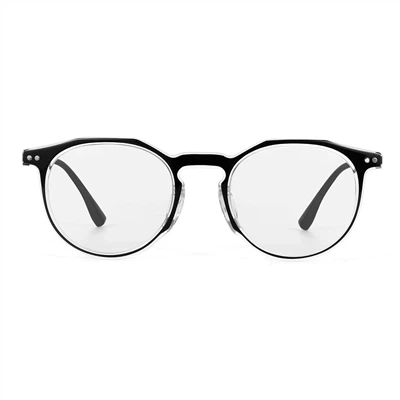
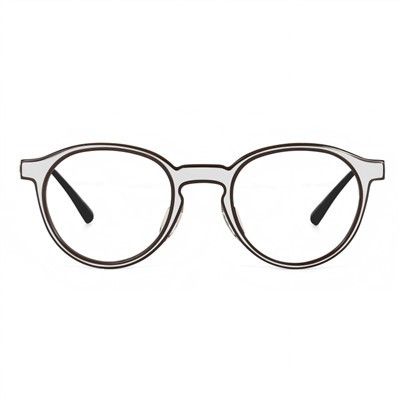


Carbon Fiber Glasses Frames
Why Choose Us
Rich Experience
Shenzhen Deepward has been established in 2010, located in Henggang town, Shenzhen, one city where mainly produce high quality eyewear by gathering sophisticated industrial chain service and outstanding designs started from here.
Reliable Product Quality
As the company develops, we continue to introduce new technologies and materials to improve product quality and design diversity. We successfully developed metal eyewear production flow in 2015, which quickly is recognized by customers due to its exquisite quality.
Wide Product Range
Deepward mainly produce high quality handmade acetate eyewear, metal eyewear, Titanium eyewear, Carbon fiber eyewear, and all kinds of different material optical frame and sunglasses.
Professional Technical Team
The reason why Deepward can produce high quality eyeweas is that nearly 75% workers have been working in Deepward for more than 8 years. This is the most important reason which can guarantee the quality level stably.
Advantages of Carbon Fiber Glasses Frames
Carbon fiber glasses frames are more durable and lightweight than any of the other materials used to make frames. In recent years, carbon fiber eyeglasses frames have steadily increased in popularity due to their resistance to corrosion, durability against moisture and heat, and lightweight compared to other materials.


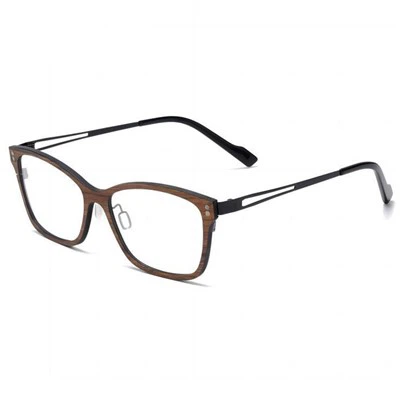
Advantages of Carbon Fiber Glasses Frames


Durability Meets Design
Function doesn’t trail far behind fashion when it comes to carbon fiber. This material boasts an impressive strength-to-weight ratio, making it exceptionally resilient. It's capable of withstanding the usual wear and tear that often damages less robust frames. Moreover, the unique woven pattern isn't just for looks; it also contributes to the material's inherent strength. So, while those intricate designs capture glances, they’re also working hard to ensure the glasses last longer.
Comfort and Lightweight
Daily eyewear users know the struggle of wearing a heavy frame all day. Here's where carbon fiber shines. Its lightweight nature ensures that the wearer barely feels its presence, ensuring comfort even during prolonged use. This weightlessness, combined with its adaptability in design, means that designers can craft frames that sit perfectly on a range of face shapes without causing the infamous nose pinch or ear discomfort.
Environmental Edge
While not often the first thing people think of, carbon fiber’s production has a lesser environmental impact compared to many traditional materials. The manufacturing process of carbon fiber releases fewer pollutants, and given its durability, carbon fiber frames often have a longer lifespan, reducing the cycle of consumer waste. Taking all these factors into account, it's clear why carbon fiber has become the darling of both eyewear designers and discerning consumers. It perfectly marries the needs of the modern world: style, strength, comfort, and sustainability.
It's Hypoallergenic
Being hypoallergenic means carbon fiber is especially beneficial for those with metal allergies. If you experience allergic reactions or skin irritation from metal frames, you should consider carbon fiber shades for daily use. Carbon fiber has many more benefits, but these are our top reasons to love them. Above all, carbon fiber sunglasses come in styles that are perfect for all-day comfort and protection. One thing is definite: Once you try carbon fiber shades, you won't want any other kind.
Types of Carbon Fiber Glasses Frames
Full-Rimmed
Full-rimmed eyeglasses have a rim that encircles the entire lens, creating a distinct boundary between the lens and the face. Considered by many to be the most classic and versatile type of glasses frame, full-rimmed eyeglass frames are often chosen by those who want a more traditional or conservative look.
Semi-Rimless
Semi-rimless eyeglass frames only have a rim over the top part of the lens, leaving the bottom part rimless. Semi-rimless frames are considered more modern and sophisticated. This glasses frame style is often chosen by those who want a balance between a classic and contemporary look, as well as those who want to minimize the visual weight of their glasses.
Rimless
Rimless glasses have no rim around the lenses, creating a nearly invisible, minimalist look. Rimless frames have a sleek, sophisticated appearance that is often chosen by those looking for a professional and minimalist style.
Low Bridge
Low bridge eyeglass frames are specially designed to accommodate those with a lower nose bridge or a flatter face structure. Low bridge frames are practical, comfortable, and can fit multiple styles, making them a popular choice among those individuals who put a premium on comfort and functionality.
Frame
The eyewear frame holds the lenses in place and is worn on the face. The frame's design and style can vary, ranging from full-rim frames that encircle the lenses completely to semi-rimless or rimless frames that have a minimalistic appearance.
Nose Bridge
The nose bridge is the part of the frame that sits across the nose, connecting the two lens rims. It can be built into the frame or adjustable to accommodate different nose shapes and sizes.
Nose Pads
Many eyeglasses have nose pads that provide comfort and support by resting on the bridge of the nose. Nose pads are typically made from soft materials like silicone or soft plastic and can be adjustable to ensure a proper fit.
Hinges
Hinges allow the temples to fold inward, making the glasses more compact when not in use. They can be barrel hinges, spring hinges, or other types, depending on the design and functionality of the frame.
Temples
The temples, also known as arms or sides, extend from the frame front to the ears and help keep the eyeglasses securely in place. They can be made from the same material as the frame or have a different design element. Temples may also feature hinges for flexibility and folding.
Temple tip
The temple tip refers to the end portion of the eyewear temple, also known as the temple end or temple tip cover, creating a smooth and comfortable contact point with the wearer's head. In addition to enhancing comfort, temple tips also contribute to the overall aesthetics of the eyewear. They can be customized with different colors, patterns, or textures to complement the frame design and add a touch of style.
The global carbon fiber eyeglass frames market is being primarily driven by the increasing demand for lightweight and durable frames among consumers. The rising trend of personalized eyewear, advancements in manufacturing technologies, and growing awareness about the benefits of carbon fiber materials are also contributing to market growth. However, high production costs and limited availability of raw materials are restraining market growth. Opportunities in the market include the development of innovative designs and increasing adoption of carbon fiber frames in the luxury eyewear segment. Challenges include competition from alternative materials and fluctuating prices of carbon fibers.
Manufacturing Process of Carbon Fiber Glasses Frames
Design of carbon fiber glasses frames
Due to the special material of carbon fiber, designing carbon fiber glasses frames is a slow and complicated process. Whether it is material, force or appearance, there are huge differences between different brands. The more uniform the combination of resin and carbon fiber, the fewer defects and the stronger the structural performance of the frame. By
producing a more consistent composite carbon fiber, the hands of the designer are freed to create lighter, stronger and more durable eyewear.
Cutting
Cut the carbon fiber plate according to the size of the glasses, and cut it into rectangular blocks.
Bending
Bend the carbon fiber sheet. Common carbon fiber glasses frames have 0 bends, 200 bends, 400 bends and 600 bends, etc, and carbon fiber temples also have a certain degree of curvature. These cambers must be strictly implemented in accordance with the drawings.
Carved shape
After pressing the bend, use a precision CNC machine to carve out the shape of the glasses. Includes front frame and temples.
Tumbling and polishing
After the fine carving process, the accessories have been formed, rolled again and again in the drum, and then manually polished by hand, each surface must be round and bright.
Add protective layers
After sanding to a bright finish, rinse and let dry, then move on to adding a protective layer, spraying the surface with a thin, clear coat of paint and letting it dry.
Assembly
In the assembly workshop, the front frame, temples, pipes, and leaves are assembled together. Before assembly, each component must be inspected in detail to ensure that the finished product is perfect.
Adjust the frame
Adjust the frame to match the CAD drawing.
Quality inspection
Before warehousing and shipment, 100% quality inspection must be carried out on each pair of produced carbon fiber glasses frames to ensure that the appearance and function can meet the requirements of pre-manufacturing.
Both hands, please! Eye care professionals suggest using both hands when putting on and taking off your glasses to avoid twisting or misaligning them. Gently grasp the frame arms of your glasses with equal pressure and carefully slide them on, lifting them over your ears. Use the same grip to remove them, sliding them up and forward.
Pay attention.When was the last time you actually took a good look at your frames? Periodically check your carbon fiber glasses frames to see if they are misaligned, and to test for loose screws in the frame arms. If the carbon fiber glasses frame looks twisted, or if your lenses seem to ride uneven on your nose, then it’s time to drop in on your eye care professional for a (typically free) adjustment. In addition, many drug stores sell inexpensive eyeglass tool kits containing a small screwdriver and an assortment of temple screws for emergency repairs.
Adjust early, adjust often. It's a good idea to stop by your neighborhood optician to have your carbon fiber glasses frames adjusted. Many opticians will re-adjust your frames, whether you purchased your glasses from them or not. Even a slight adjustment can make an important difference in your healthy sight.
Don’t try this at home. Adjusting your carbon fiber glasses frames is not a do-it-yourself job. Your eye care professional is trained to know how your lenses need to be positioned relative to your eye. Also, an carbon fiber glasses frame can contain fragile materials and design elements. You might just snap them in your effort to fix them. That means no bending of frame arms!
Don’t forget to wash.Just as you need to wash your lenses, you need to wash your carbon fiber glasses frames. Regularly. With soapy water and a soft cloth.
Not on your head, not on the floor, not by the sink… Storing carbon fiber glasses frames on your head can stretch and misalign them. Stepping on your glasses is the quickest way to twist them or break them. And the bathroom sink is a good recipe for soiled lenses as well as frames. Sturdy carbon fiber glasses frame cases exist for good reason. We offer an extensive selection of specialty eyewear, and you may need more than one pair of eyeglasses to suit all of your requirements!

Carbon fiber is an exceptionally strong and lightweight material, making carbon fiber eyeglass frames highly durable and resistant to damage. However, they can still be prone to cracking or breaking if subjected to significant impact or force. Carbon fiber frames are generally more flexible than traditional metal or plastic frames, allowing them to bend and flex without permanently deforming. This flexibility can be beneficial for a comfortable, customized fit, but users should take care not to over-flex the frames. Carbon fiber frames are much lighter than metal or plastic frames, which can provide a more comfortable and less fatiguing wearing experience, especially for extended periods.Users should ensure the frames are not so light that they feel unstable or insecure on the face. Carbon fiber has a lower coefficient of thermal expansion compared to metals, meaning it is less prone to expanding and contracting with temperature changes. This can help maintain the fit and shape of the frames in different environmental conditions.
Our Certifications


Shenzhen Deepward has been established in 2010, located in Henggang town, Shenzhen, one city where mainly produce high quality eyewear by gathering sophisticated industrial chain service and outstanding designs started from here. Our company's story begins with a deep love for the craft of acetate eyewear. Relying on his rich experience in the glasses manufacturing industry and his keen insight into new materials and technologies, the founder decided to create a company focused on the production of high-quality glasses. In its early days, the company won praise from the industry for its superb craftsmanship, strict quality control and excellent customer service.