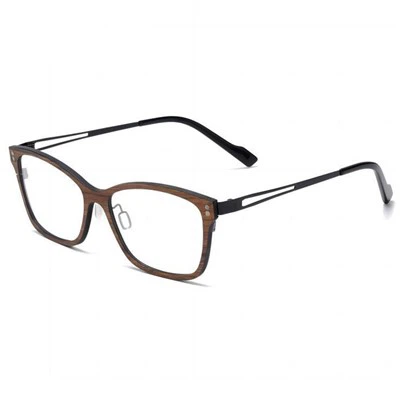
Are acetate spectacle frames resistant to scratches? This is a question that many people considering acetate frames often ask. As a supplier of acetate spectacle frames, I'm here to provide you with a detailed and scientific answer to this question.
Acetate is a popular material for spectacle frames due to its aesthetic appeal, lightweight nature, and hypoallergenic properties. It offers a wide range of colors and patterns, allowing for stylish and unique frame designs. However, its scratch - resistance is a crucial factor for consumers, especially for those who lead active lifestyles or handle their glasses frequently.
Understanding Acetate Material
Acetate, also known as cellulose acetate, is a synthetic plastic material derived from natural sources such as wood pulp or cotton. It is processed through a chemical reaction to create a durable and flexible material suitable for eyewear frames. The structure of acetate gives it certain physical properties that influence its scratch - resistance.
The surface hardness is one of the key factors determining scratch - resistance. Compared to some other materials used in spectacle frames, such as metal or titanium, acetate has a relatively lower surface hardness. This means that it is more prone to scratches under certain conditions. However, the scratch - resistance can vary depending on the quality of the acetate, the manufacturing process, and the presence of any protective coatings.
Factors Affecting Scratch - Resistance of Acetate Spectacle Frames
- Quality of Acetate: High - quality acetate is made from purer materials and undergoes more precise manufacturing processes. These frames tend to have a more uniform structure and better overall durability. Cheaper acetate frames may contain impurities or have inconsistent material density, which can make them more susceptible to scratches. For example, frames made from low - grade acetate may show scratches more easily when in contact with rough surfaces.
- Manufacturing Process: The way the acetate frames are manufactured can significantly impact their scratch - resistance. Frames that are precision - cut, polished, and finished have a smoother surface, which is less likely to catch on rough objects and develop scratches. Additionally, some manufacturers use advanced techniques to strengthen the acetate during the production process, enhancing its resistance to wear and tear.
- Protective Coatings: Many acetate spectacle frames are treated with protective coatings. These coatings can act as a barrier between the acetate surface and potential scratching agents. There are different types of coatings available, such as hard - coatings and anti - scratch coatings. Hard - coatings increase the surface hardness of the frame, making it more difficult for scratches to form. Anti - scratch coatings are designed to absorb the impact of minor abrasions and prevent them from reaching the acetate surface.
Real - World Scenarios and Scratch Resistance
In daily use, acetate spectacle frames are likely to encounter various situations that could potentially cause scratches. For example, when you place your glasses on a rough surface like a tabletop with dust or debris, the frame may come into contact with these particles, which can scratch the acetate. Similarly, if you accidentally rub your glasses with a rough cloth or your fingers with dirt on them, scratches can occur.
However, with proper care, acetate frames can maintain their appearance for a long time. For instance, always use a soft, clean microfiber cloth to clean your glasses. This type of cloth is gentle on the acetate surface and reduces the risk of scratching. When not wearing your glasses, store them in a protective case to prevent them from being scratched by other objects in your bag or pocket.
Comparing Acetate with Other Frame Materials
When compared to other common frame materials, acetate has its own advantages and disadvantages in terms of scratch - resistance.
- Metal Frames: Metal frames, such as stainless steel or aluminum, generally have a higher surface hardness than acetate. They are more resistant to scratches from normal wear and tear. However, metal frames can be prone to dents, and they may not offer the same level of comfort and style as acetate frames.
- Titanium Frames: Titanium is a very strong and lightweight material. Titanium frames are highly scratch - resistant and durable. But they are often more expensive than acetate frames, and they may not have the same variety of colors and patterns as acetate.
- Plastic Frames (Non - Acetate): Some non - acetate plastic frames can be very brittle and may crack or scratch easily. Acetate, on the other hand, is more flexible and less likely to crack under normal use, although it may be more prone to scratches than some high - performance plastics.
Our Offerings as an Acetate Spectacle Frame Supplier
As an acetate spectacle frame supplier, we are committed to providing high - quality products with excellent scratch - resistance. We source the finest acetate materials and use advanced manufacturing techniques to ensure the durability and quality of our frames.
Our frames are available in a wide range of styles, from classic to modern, to meet the diverse needs of our customers. Whether you are looking for Nice Prescription Glasses for daily wear or Best Acetate Glasses for a special occasion, we have the perfect options for you. Our Acetate Fames For Glasses are not only stylish but also designed to withstand the rigors of daily use.
We also offer frames with protective coatings to enhance their scratch - resistance. These coatings are carefully selected and applied to ensure maximum protection without compromising the aesthetic appeal of the frames.


Buying Tips for Consumers
If you are considering purchasing acetate spectacle frames, here are some tips to ensure you get a scratch - resistant pair:
- Check the Quality: Look for frames made from high - quality acetate. You can often tell the quality by the feel and appearance of the frame. High - quality acetate frames will have a smooth surface and a uniform color.
- Ask About Protective Coatings: Inquire whether the frames have a protective coating. If so, ask about the type of coating and its effectiveness in preventing scratches.
- Read Reviews: Look for customer reviews online to see what others have to say about the scratch - resistance of the frames you are interested in. Real - world experiences can provide valuable insights.
Commitment to Customers
We understand that scratch - resistance is an important factor for our customers when choosing acetate spectacle frames. That's why we continuously invest in research and development to improve the scratch - resistance of our products. We work closely with our suppliers and manufacturers to ensure that we are using the latest technologies and best materials.
Our customer service team is always ready to answer any questions you may have about our acetate frames, including their scratch - resistance. We aim to provide you with the best shopping experience and help you find the perfect pair of glasses that meet your needs and preferences.
Contact Us for Procurement
If you are interested in purchasing our acetate spectacle frames in bulk, we invite you to contact us for procurement discussions. We offer competitive prices, high - quality products, and excellent customer service. Whether you are an optical retailer, optician, or anyone looking to source acetate frames, we are here to work with you.
References
- "Eyewear Materials: A Comprehensive Guide", published by the Optical Institute.
- Research studies on the properties of cellulose acetate in the Journal of Materials Science.
- Industry reports on the trends in spectacle frame materials and their market share.