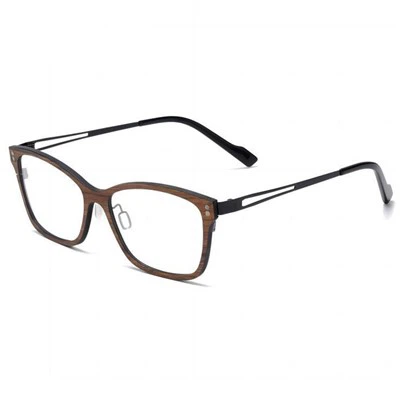
Bio acetate sunglasses have gained significant popularity in recent years due to their stylish appearance, eco - friendly nature, and durability. As a bio acetate sunglasses supplier, I often receive various questions from customers, and one that comes up quite frequently is whether bio acetate sunglasses can be used at night. In this blog, I will delve into the science behind it, discuss the pros and cons, and provide some practical advice.
Understanding Bio Acetate Sunglasses
Before we address the question of night - time use, let's first understand what bio acetate sunglasses are. Bio acetate is a type of plastic material made from natural sources such as cotton and wood pulp. It is known for its hypoallergenic properties, making it a great choice for people with sensitive skin. Bio acetate sunglasses are not only fashionable but also more sustainable compared to traditional plastic sunglasses.
These sunglasses come in a wide range of styles, from classic aviators to trendy Oval Acetate Sunglasses. They also offer different lens options, including tinted, polarized, and photochromic lenses. Each type of lens has its own characteristics and functions, which play a crucial role in determining whether they are suitable for night - time use.
The Function of Sunglass Lenses in General
Sunglass lenses are primarily designed to reduce the amount of sunlight and glare that reaches your eyes during the day. Tinted lenses work by absorbing certain wavelengths of light, which helps to reduce brightness and improve visual clarity. Polarized lenses, on the other hand, are specifically designed to block glare from reflective surfaces such as water, snow, and roads. Photochromic lenses change their tint depending on the amount of UV light they are exposed to, darkening in sunlight and lightening in low - light conditions.
Using Bio Acetate Sunglasses at Night: The Problems
-
Reduced Visibility
Most bio acetate sunglasses come with tinted lenses. These tints are intended to cut down on sunlight, which means they also reduce the amount of light that enters your eyes at night. When you wear tinted sunglasses in low - light conditions, your eyes have to work harder to see clearly. This can lead to eye strain, fatigue, and a significant reduction in visibility. For example, if you are driving at night and wearing tinted sunglasses, you may have difficulty seeing road signs, pedestrians, and other vehicles, increasing the risk of accidents. -
Depth Perception Issues
Tinted lenses can also affect your depth perception. Depth perception is the ability to judge the distance between objects, which is crucial for activities such as driving and walking. When your eyes receive less light due to the tinted lenses, your brain may have trouble accurately interpreting the visual information, leading to errors in depth perception. -
Glare and Halos
Polarized lenses, which are popular in Acetate Polarized Sunglasses, can cause problems at night as well. While they are great at reducing glare during the day, at night they can create a phenomenon known as "halos" around light sources such as streetlights and car headlights. These halos can be distracting and make it difficult to focus on the road or other objects.

Exceptions and Special Cases
- Photochromic Lenses
If your bio acetate sunglasses are equipped with photochromic lenses, they may be suitable for night - time use. Photochromic lenses automatically adjust their tint based on the amount of UV light. In low - light conditions at night, they lighten up, allowing more light to enter your eyes. This means that you can still enjoy the benefits of the sunglasses' frame material while having relatively clear vision at night. - Special Night - Driving Lenses
Some bio acetate sunglasses can be fitted with special night - driving lenses. These lenses are designed to enhance contrast and reduce glare from oncoming headlights without significantly reducing the amount of light. They can improve visibility and make driving at night safer.
Practical Advice for Night - Time Use
- Choose the Right Lenses
If you plan to use your bio acetate sunglasses at night, make sure they have the appropriate lenses. As mentioned above, photochromic or special night - driving lenses are the best options. Avoid using sunglasses with dark - tinted or polarized lenses at night unless they are specifically designed for it. - Keep a Spare Pair
It's always a good idea to keep a spare pair of regular glasses or clear - lens sunglasses with you. If you find that your bio acetate sunglasses are not suitable for night - time use, you can quickly switch to the spare pair to ensure your safety and visual comfort. - Consider Your Activities
Think about the activities you will be doing at night. If you are just walking around in a well - lit area, slightly tinted or clear - lens sunglasses may be acceptable. However, if you are driving or engaging in activities that require high - level visual acuity, extra caution is needed.
Conclusion
In general, most bio acetate sunglasses with traditional tinted or polarized lenses are not recommended for night - time use due to the potential problems with visibility, depth perception, and glare. However, with the right lenses such as photochromic or special night - driving lenses, it is possible to use bio acetate sunglasses safely at night.
As a bio acetate sunglasses supplier, I offer a wide range of options to meet different needs. Whether you are looking for Best Acetate Sunglasses for daytime use or sunglasses suitable for night - time activities, we have the products for you. If you are interested in purchasing bio acetate sunglasses or have any questions about their use, please feel free to contact us for more information and to start a procurement discussion.
References
- American Academy of Ophthalmology. (2023). Sunglasses: How to Choose the Right Pair.
- National Highway Traffic Safety Administration. (2023). Safe Driving Tips at Night.
- Opticians Association of America. (2023). Understanding Sunglass Lenses.