Winter wonderlands with their pristine snow-covered landscapes are a sight to behold. However, when stepping out into the snow, a common question arises: Can I wear sunglasses in the snow? The short answer is yes, and in fact, wearing sunglasses in the snow is not only advisable but crucial for protecting your eyes.
The Science Behind Snow Reflection
Snow is highly reflective. It can reflect up to 80% of the sun's ultraviolet (UV) rays, which is considerably more than water (about 10 - 20%) or grass (less than 5%). These reflected rays can cause several eye problems. One of the most immediate and well - known is "snow blindness," or photokeratitis. This is a painful condition similar to a sunburn of the eye's surface, caused by overexposure to UV light. Symptoms can include redness, pain, tearing, and temporary vision loss.
Prolonged exposure to UV rays reflected off snow can also contribute to long - term eye damage. It increases the risk of developing cataracts, which cloud the eye's natural lens, and macular degeneration, a leading cause of vision loss in older adults. By wearing sunglasses, you can significantly reduce your exposure to these harmful UV rays.
Polarization and Snow Vision
In addition to blocking UV rays, polarized sunglasses are particularly useful in the snow. Polarization filters out the horizontal light waves that cause glare. When sunlight hits the snow, it scatters in all directions, but a large amount of this light is horizontally polarized. This horizontal glare can make it difficult to see clearly, causing eye strain and reducing your depth perception.
Polarized sunglasses eliminate this glare, allowing you to see the true texture of the snow. This is especially important for skiers and snowboarders, as it helps them spot bumps, ice patches, and other obstacles on the slopes. For casual snow enthusiasts, it simply makes the experience more enjoyable and safer.
Selecting the Right Sunglasses for the Snow
When choosing sunglasses for snowy conditions, there are several factors to consider.
UV Protection
The most important feature is excellent UV protection. Look for sunglasses that block 99% or 100% of both UVA and UVB rays. This level of protection ensures that your eyes are shielded from the potentially harmful effects of long - and short - wave UV radiation.
Lens Color
Lens color also plays a crucial role. Gray lenses are a popular choice as they provide true color vision and reduce brightness without distorting colors. This is ideal for general snow activities. Brown lenses, on the other hand, enhance contrast, which can be beneficial for distinguishing terrain features in variable lighting conditions. Yellow or amber lenses are great for low - light and overcast snow days, as they increase contrast and make objects stand out more clearly.
Frame Fit
A good - fitting frame is essential. The frame should sit snugly on your face without pinching or slipping. It should also provide adequate coverage to block out light from the sides. Wraparound frames are often a great choice for snow activities as they offer maximum protection from sunlight and wind.
Our Sunglasses for Snow Conditions
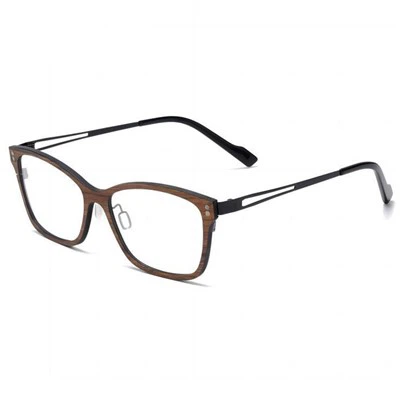
As a leading sunglasses supplier, we offer a wide range of sunglasses suitable for snowy environments. Our Acetate Sunglasses Wholesale collection features high - quality acetate frames that are not only stylish but also durable. These sunglasses come with lenses that provide excellent UV protection, making them a great option for winter sports enthusiasts and casual snowgoers alike.
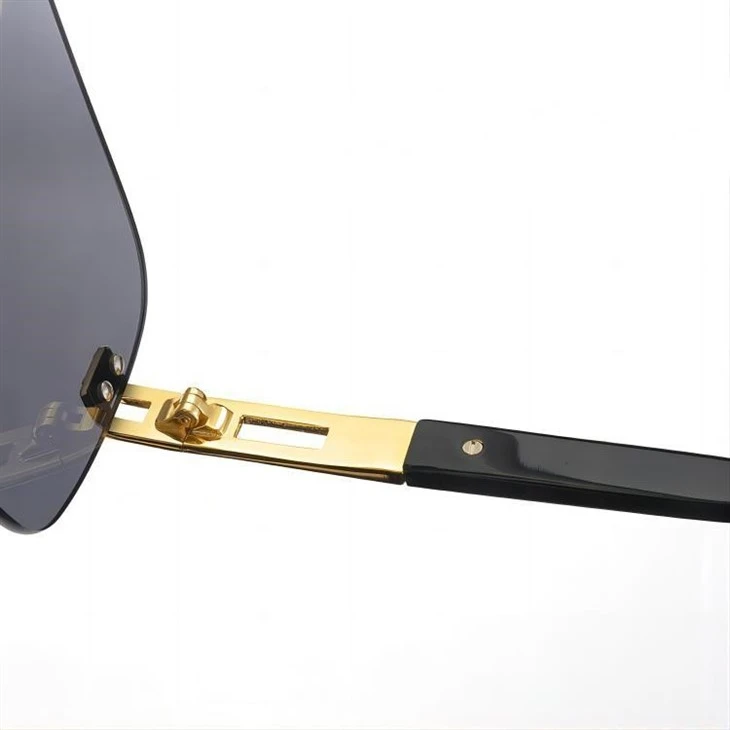
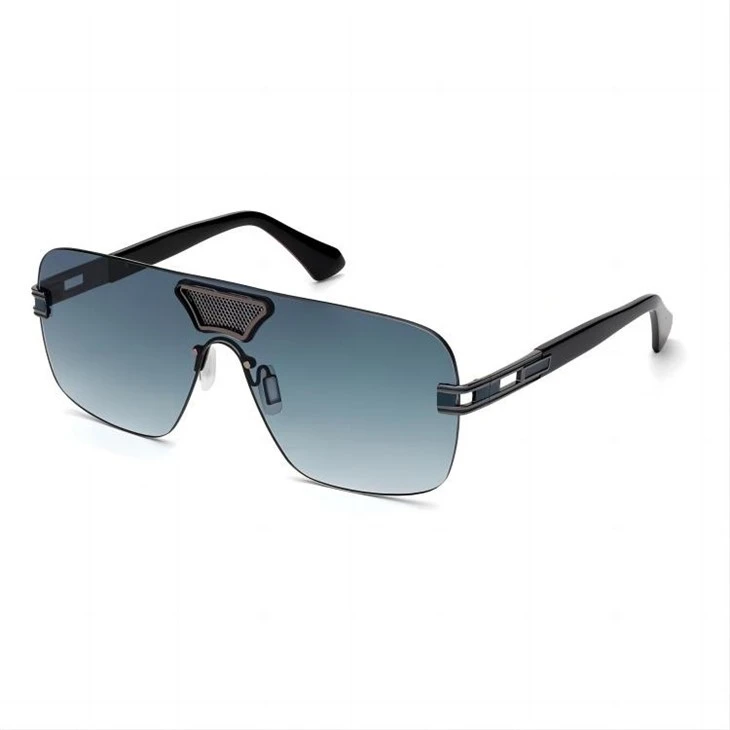
If you're looking for something more fashionable, our Designer Acetate Sunglasses are a perfect choice. With their trendy designs and top - notch lens technology, they combine style and functionality. You can look great while protecting your eyes from the harsh winter sun.
For those who prefer a combination of metal and acetate, our Square Metal and Acetate Sunglasses are a must - see. The square frames offer a modern look, and the combination of materials provides both strength and flexibility.
Conclusion: The Importance of Wearing Sunglasses in the Snow
In conclusion, wearing sunglasses in the snow is essential for protecting your eyes from the sun's harmful UV rays and reducing glare. Whether you're an avid skier, a snowboarder, or simply enjoy taking a stroll in the winter wonderland, investing in a good pair of sunglasses is a wise decision.
If you're interested in sourcing high - quality sunglasses for resale or for your own brand, we're here to help. Our team of experts can assist you in selecting the right styles and quantities to meet your needs. Contact us today to start a discussion about your sunglasses procurement requirements and take advantage of our wholesale prices.
Reference:
- American Academy of Ophthalmology. (2023). Protect Your Eyes from the Sun.
- World Health Organization. (2022). Ultraviolet (UV) Radiation.
- Harvard Health Publishing. (2021). How to Protect Your Eyes from the Sun.