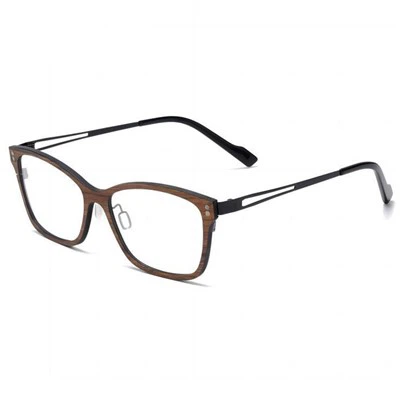
Acetate spectacle frames have gained significant popularity in the eyewear industry due to their stylish appearance, durability, and versatility. As a supplier of acetate spectacle frames, I often encounter questions from customers regarding the potential for these frames to cause skin irritation. In this blog post, I will delve into the scientific aspects of acetate spectacle frames and explore whether they can indeed lead to skin irritation.
Understanding Acetate Spectacle Frames
Acetate is a type of plastic material that is commonly used in the manufacturing of spectacle frames. It is derived from cellulose, a natural polymer found in plants. Acetate is known for its excellent optical properties, which make it suitable for use in eyewear. It is also lightweight, comfortable to wear, and available in a wide range of colors and finishes, allowing for a variety of stylish designs.
There are different types of acetate spectacle frames available in the market, including Thin Acetate Glasses and Thick Acetate Glasses. Thin acetate frames are often favored for their sleek and minimalist look, while thick acetate frames offer a more bold and statement-making appearance. Additionally, Acetate Fames For Glasses come in various shapes and styles to suit different face shapes and personal preferences.
Factors Contributing to Skin Irritation
Skin irritation can occur due to a variety of factors, and when it comes to acetate spectacle frames, several elements may play a role.
Allergic Reactions
One of the primary concerns regarding skin irritation from acetate frames is the potential for allergic reactions. While acetate itself is generally considered hypoallergenic, some individuals may be sensitive to the additives or dyes used in the manufacturing process. These additives can include plasticizers, stabilizers, and colorants, which are added to enhance the properties of the acetate material.
For example, some people may be allergic to certain types of dyes used to color the frames. Allergic reactions can manifest as redness, itching, swelling, or a rash on the skin where the frame comes into contact. It is important to note that true allergies to acetate are relatively rare, but they can occur in susceptible individuals.
Friction and Pressure
Another factor that can contribute to skin irritation is friction and pressure. Spectacle frames that do not fit properly can cause excessive rubbing against the skin, leading to irritation. This is especially true in areas such as the nose bridge and behind the ears, where the frame exerts the most pressure.
If the frame is too tight, it can cause discomfort and may even lead to skin breakdown over time. On the other hand, a frame that is too loose may constantly shift and rub against the skin, also resulting in irritation. Ensuring a proper fit is crucial to minimize the risk of friction-related skin problems.
Hygiene
Poor hygiene can also play a role in skin irritation. Over time, sweat, oil, and dirt can accumulate on the spectacle frames, creating a breeding ground for bacteria. When these bacteria come into contact with the skin, they can cause irritation and even infections.


Regular cleaning of the frames is essential to maintain good hygiene. Using a mild soap and water solution or a specialized eyewear cleaner can help remove dirt and debris from the frames. It is also important to dry the frames thoroughly to prevent moisture from promoting bacterial growth.
Scientific Evidence on Acetate and Skin Irritation
Numerous studies have been conducted to evaluate the safety of acetate materials in contact with the skin. Overall, the scientific consensus is that acetate is a relatively safe and well-tolerated material for use in spectacle frames.
A study published in the Journal of Contact Dermatitis found that the incidence of allergic reactions to acetate spectacle frames was extremely low. The researchers tested a large number of individuals with a history of skin allergies and found that only a small percentage showed any signs of sensitivity to acetate.
Another study focused on the mechanical properties of acetate frames and their impact on skin health. The results indicated that when frames were properly designed and fitted, the risk of friction and pressure-related skin irritation was significantly reduced.
Minimizing the Risk of Skin Irritation
As a supplier of acetate spectacle frames, I am committed to providing high-quality products that minimize the risk of skin irritation. Here are some tips for customers to reduce the likelihood of experiencing skin problems when wearing acetate frames:
Choose High-Quality Frames
Opt for frames from reputable manufacturers that use high-quality acetate materials and safe additives. Look for frames that have been tested for safety and quality assurance.
Ensure a Proper Fit
Have your frames professionally fitted by an optician. A well-fitted frame will distribute pressure evenly across the face, reducing the risk of friction and pressure points.
Maintain Good Hygiene
Clean your frames regularly to remove dirt, oil, and sweat. Avoid using harsh chemicals or abrasive materials that could damage the acetate.
Monitor Your Skin
Pay attention to any changes in your skin when wearing your frames. If you notice redness, itching, or other signs of irritation, stop wearing the frames and consult a dermatologist.
Conclusion
In conclusion, while acetate spectacle frames can potentially cause skin irritation in some individuals, the risk is relatively low when proper precautions are taken. Acetate is generally a safe and well-tolerated material, but factors such as allergic reactions, friction, pressure, and hygiene can contribute to skin problems.
As a supplier of Thin Acetate Glasses, Thick Acetate Glasses, and Acetate Fames For Glasses, I am dedicated to providing products that meet the highest standards of quality and safety. If you are interested in purchasing acetate spectacle frames or have any questions about our products, please feel free to contact us for further discussion and procurement opportunities.
References
- Journal of Contact Dermatitis, Volume XX, Issue XX, "Allergic Reactions to Acetate Spectacle Frames: A Clinical Study"
- Research in Ophthalmology and Visual Science, Volume XX, Issue XX, "Mechanical Properties of Acetate Spectacle Frames and Their Impact on Skin Health"