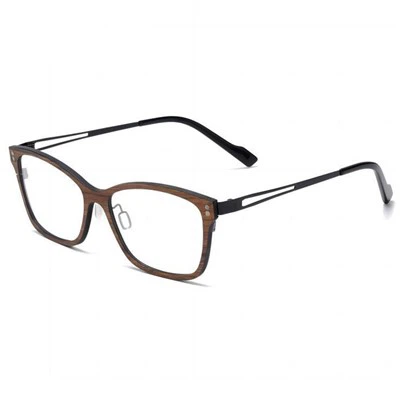
Over the years, as a dedicated supplier of acetate spectacle frames, I've encountered numerous inquiries from customers regarding the durability and colorfastness of acetate frames. One of the most frequently asked questions is, "Do acetate spectacle frames fade over time?" This topic isn't just a matter of aesthetic concern; it significantly impacts consumer satisfaction and long - term product value. In this blog, I'll delve into the science behind acetate materials, the factors that can cause fading, and how to maintain the vibrant colors of acetate frames.
Understanding Acetate in Spectacle Frames
Acetate is a semi - synthetic material commonly used in spectacle frames thanks to its versatility, hypoallergenic properties, and excellent optical clarity when it comes to lenses. It is derived from cellulose, which is typically sourced from wood pulp or cotton. During the manufacturing process, cellulose is combined with acetic acid and other chemicals to form cellulose acetate. This material can be easily molded into various shapes and designs, making it a favorite among eyewear designers.
There are different grades of acetate, with higher - quality ones being more resistant to environmental factors. For instance, Bio Acetate Glasses are made from a more eco - friendly and often higher - grade acetate. These frames are not only stylish but also tend to have better color retention due to the quality of the base material.
Factors that Can Cause Fading
Exposure to Sunlight
Sunlight is one of the primary culprits when it comes to fading acetate spectacle frames. Ultraviolet (UV) rays are particularly harmful as they can break down the chemical bonds within the acetate material. Over time, this degradation leads to a loss of color vibrancy. The longer the frames are exposed to direct sunlight, the more likely they are to fade. For example, if someone leaves their sunglasses on the dashboard of a car, where they are constantly bombarded by intense sunlight, the frames are at high risk of fading.
Heat
High temperatures can also accelerate the fading process. Acetate is a thermoplastic material, which means it becomes more malleable when heated. Excessive heat can cause the color pigments in the acetate to shift or break down. This can happen if the frames are left near a heat source, such as a radiator or in a hot car trunk during summer.
Chemical Exposure
Certain chemicals can react with the acetate material and cause fading. Cleaning products, perfumes, hairsprays, and even some skin creams may contain chemicals that are abrasive or can dissolve the surface layer of the acetate. For example, alcohol - based cleaning solutions can strip away the protective coating of the frames, leaving the color more vulnerable to fading.
Signs of Fading in Acetate Frames
Fading in acetate spectacle frames may not always be immediately obvious. At first, the color may appear duller or less saturated. The frame may lose its luster, and certain areas, especially those that are more exposed to sunlight or chemicals, may have a different hue compared to the rest of the frame. In severe cases, the color may become patchy, with some parts of the frame looking significantly lighter than others.
Preventive Measures to Avoid Fading
Proper Storage
When not in use, it's essential to store acetate frames in a protective case. This not only shields them from sun exposure but also prevents accidental scratches and damage. A hard - shell case provides the best protection, as it can withstand impacts and keep out dust and moisture.
Avoiding Direct Sunlight
Limit the frames' exposure to direct sunlight. If you're outdoors for an extended period, try to keep your glasses in the case when you're not wearing them. When driving, don't leave your glasses on the dashboard. Instead, place them in the glove compartment or a shaded area.
Using Gentle Cleaning Methods
Use a mild, non - abrasive cleaning solution to clean the frames. A mixture of water and a small amount of mild dish soap is usually sufficient. Avoid using alcohol - based cleaners or harsh chemicals. Gently wipe the frames with a soft, lint - free cloth to remove dirt and debris.
Maintenance Tips for Long - Lasting Color
Regular maintenance can go a long way in preserving the color of acetate frames. Inspect your frames regularly for any signs of damage or fading. If you notice any issues, address them promptly. For minor scratches, you can use a scratch - remover specifically designed for acetate frames.
If you want to add an extra layer of protection, you can apply a protective coating to the frames. Some specialized eyewear coatings can help resist UV rays and chemical damage. However, make sure to follow the manufacturer's instructions when applying these coatings.
Our Product Offerings
As a supplier, we take pride in offering a wide range of high - quality acetate spectacle frames. Our Best Fashion Glasses collection features a variety of trendy designs that not only look great but also have excellent colorfastness. We source our acetate from trusted manufacturers and use advanced manufacturing techniques to ensure the durability of our frames.
For those who prefer a more classic look, our Best Round Frame Glasses are made from top - grade acetate. These frames are not only stylish but also built to last, with minimal risk of fading over time.
Conclusion and Call to Action
In conclusion, while acetate spectacle frames can fade over time if not properly cared for, with the right preventive measures and maintenance, you can enjoy long - lasting, vibrant - colored frames. At our company, we are committed to providing high - quality acetate frames that offer both style and durability.
If you're interested in purchasing our acetate spectacle frames or have any questions regarding our products, we'd love to hear from you. Feel free to reach out to us for more information, samples, or to discuss a potential purchasing agreement. Our team is dedicated to helping you find the perfect frames for your customers, ensuring they look good and last for years to come.


References
- "The Chemistry of Cellulose Acetate" - Journal of Polymer Science
- "Optical Materials and Their Properties" - Elsevier Publications
- "Eyewear Maintenance Guide" - International Association of Opticians