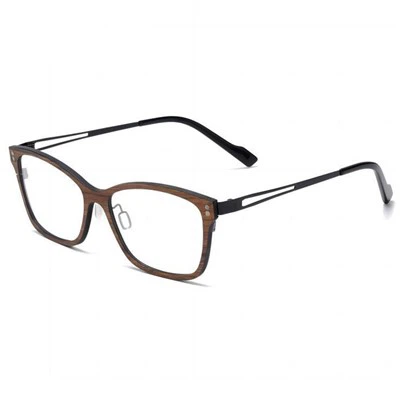
When choosing spectacle frames, you need to consider many things, like style, comfort, how long they last, and price. There are many frame materials on the market, and titanium and acetate are two of the most popular. As a spectacle frame supplier, we'll compare these two materials in detail to help you choose the right one for you.
Material Properties
Titanium
Titanium is a great metal known for being strong but very light. This is a big plus for people who wear glasses all day. Titanium frames put less pressure on your nose and ears, so you're less likely to feel uncomfortable or tired.
A key feature of titanium is that it doesn't corrode easily. When it touches oxygen, it forms a thin protective oxide layer. This stops it from rusting or corroding, even when it's exposed to moisture, sweat, or strong chemicals. Titanium frames are perfect for people with active lives or those who live in humid places.
Titanium is also hypoallergenic. It has no nickel, a common metal that causes allergies in many frame materials. If you have sensitive skin, titanium frames are a safe choice that won't irritate your skin.
Acetate
Acetate is a type of cellulose acetate , and it's easy to work with during production. Manufacturers can mold it into all kinds of shapes and styles, so there are endless design options.
Acetate frames have a natural look and feel. They come in many colors and patterns, from solid colors to bold prints and gradient swirls. This makes them a favorite for people who love fashion and want their glasses to stand out.
Acetate is also a bit warm and flexible. It will slowly fit the shape of your face over time, giving you a semi-custom feel. It's strong enough for daily use, but it's more likely to crack or break if it's put under too much pressure, unlike titanium.
Style and Design
Titanium
As a spectacle frame supplier, we can say titanium frames come in many styles, from classic to modern. Since titanium is light, it's easy to make sleek, simple designs. Titanium frames can be made very thin and delicate, which is great for people who like a subtle, low-key look.
For example, our Best Titanium Rimless Glasses show how elegant titanium is. The rimless design looks very modern and also lets you see more clearly. Titanium is also used for semi-rimless and full-rim frames, so there are lots of design choices.
We also have Memory Metal Glass options. Memory metal is usually a titanium alloy, and it can go back to its original shape after being bent. This is perfect for people who often bend their glasses by accident.
Acetate
Acetate frames have endless unique style options. They can be made into thick, bold frames that make a fashion statement, or thin, classic frames for a more refined look. The material can be layered, laminated or engraved to make detailed, eye-catching designs.
Acetate can also look like more expensive materials, such as horn or wood. It can be combined with metal parts to make a hybrid style that has the best of both materials. With acetate, you can easily find frames that match your style, whether you like vintage, bohemian or modern looks.
Comfort
Titanium
Comfort is the most important thing when wearing glasses, and titanium frames are very comfortable. Because they're light, they won't press too hard on your nose or ears. This is especially good for people who wear glasses for long hours at work or during activities.
Titanium frames can also be made with adjustable nose pads and temple tips. These let you adjust the fit to your face, so the glasses stay in place without feeling uncomfortable. Being hypoallergenic also makes titanium frames more comfortable, as it stops skin irritation.
Acetate
Acetate frames are also very comfortable. Their flexibility lets them fit the curves of your face over time. This semi-custom fit is nice, especially if the frame fits well at first.
But acetate frames can feel heavier than titanium frames, especially if they're thick or large. A small number of people may get skin irritation if they're sensitive to the plasticizers used to make acetate, but this is not common.
Durability
Titanium
Titanium is an extremely durable material. It's strong and doesn't corrode, so titanium frames last a long time. They're less likely to bend, break or rust than most other frame materials.
If a titanium frame does get bent, an optician can usually reshape it easily. Some titanium alloys have memory metal properties, so they can fix minor bends on their own, which adds to their durability.
Acetate
Acetate is strong enough for daily use, but it's easier to damage than titanium. Acetate frames can crack or break if they're hit hard or put under too much force. They can also become brittle over time, especially if they're left in high temperatures or exposed to strong chemicals.
With good care, though-like not dropping or bending the frames, and storing them in a case-acetate frames can last for years.
Price
Titanium
Titanium frames are usually more expensive than acetate frames. Titanium raw material costs more, and making titanium frames requires more complex, precise production processes.
But titanium frames are a good long-term investment, thanks to their durability, comfort and hypoallergenic properties. You'll spend less money in the long run because you won't need to replace them as often.
Acetate
Acetate frames are more affordable. The raw material is cheaper, and the production process is simpler. This makes acetate frames a popular choice for people on a budget, or those who like to change their glasses often to keep up with fashion trends.


Environmental Impact
Titanium
Making titanium frames uses a lot of energy during the mining and refining process, so it has a relatively high environmental impact. But titanium is highly recyclable. When your titanium frames are no longer usable, they can be recycled and made into new products, which reduces the need for new raw materials.
Acetate
Acetate is made from cellulose, a renewable resource from wood pulp or cotton. This makes it a more sustainable choice for raw materials. But acetate frames are not as easy to recycle as titanium frames. Most of them end up in landfills, where they take a long time to decompose.
Conclusion
In short, titanium and acetate frames each have their own pros and cons. Titanium frames are the best choice for people who value comfort, durability and hypoallergenic properties, and who are willing to invest in a high-quality product. Acetate frames are great for fashion-loving people on a budget who want lots of style options.
If you're interested in our Best Titanium Eyeglass, feel free to contact us for procurement and more details. We're committed to providing you with the highest-quality titanium spectacle frames that meet all your needs.
References
- "Materials for Eyewear Frames: A Review" - Optics and Vision Science Journal
- "The Properties and Applications of Titanium in the Eyewear Industry" - International Journal of Materials Science
- "Acetate: A Versatile Material for Eyeglass Frames" - Fashion and Eyewear Magazine