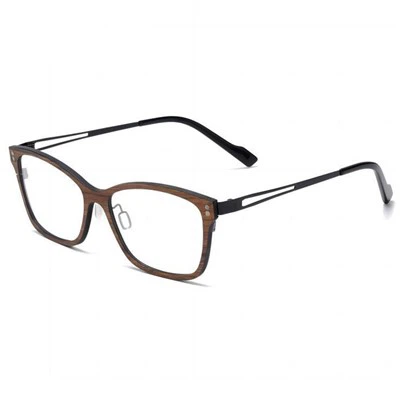
In the world of fashion and functionality, sunglasses occupy a unique space. They not only shield our eyes from the sun's harsh rays but also serve as a stylish accessory that can elevate any outfit. However, with the increasing popularity of sunglasses, the market has been flooded with counterfeit products. As a sunglasses supplier, I understand the importance of educating consumers on how to tell if sunglasses are real or fake. In this blog post, I will share some tips and tricks to help you make an informed decision when purchasing sunglasses.


Packaging and Branding
One of the first things to look for when determining the authenticity of sunglasses is the packaging and branding. Genuine sunglasses usually come in a high - quality case that is well - crafted and has the brand's logo clearly printed. The case should be made of durable materials, with smooth edges and a proper closure. The cleaning cloth provided should also be of good quality, with the brand's name or logo embroidered on it.
Regarding the branding on the sunglasses themselves, real brands pay great attention to detail. The logo on the temples or the frame should be sharp, clear, and evenly printed. There should be no signs of smudging, fading, or unevenness. For example, if you're looking at a pair of Polarized Square Acetate Sunglasses, the brand's logo on the frame should match the official design precisely. Counterfeiters often cut corners on these details, resulting in a poorly printed or misaligned logo.
Quality of Materials
The quality of materials used in sunglasses is a significant indicator of their authenticity. High - end sunglasses are typically made from premium materials. For acetate frames, real ones have a smooth, even finish. They should feel solid in your hand and not have any rough edges or visible seams. Acetate is a high - grade plastic that is known for its durability and flexibility. Fake sunglasses may use a cheaper, less - durable type of plastic that can crack or break easily.
Metal frames on genuine sunglasses are usually made of high - quality metals like titanium or stainless steel. These metals are lightweight, corrosion - resistant, and strong. You can test the frame by gently bending it. A real metal frame should have some flexibility without breaking, while a fake one may snap or deform easily. Take Gold Metal Frame Sunglasses as an example. Real gold - plated metal frames will have a consistent, high - quality finish, while fakes may have a patchy or flaky appearance.
Lens Quality
The lenses are perhaps the most crucial part of sunglasses, as they provide the necessary protection. Real sunglasses use high - quality lenses that offer proper UV protection. You can test the UV protection of the lenses using a UV light detector. Hold the sunglasses up to the detector, and if they are real, they should block most of the UV light.
Polarized lenses are another popular feature in many sunglasses. To check if the lenses are truly polarized, you can look at a reflective surface, such as a car windshield or a body of water. When you tilt the sunglasses, the glare should significantly reduce if the lenses are polarized. For Square Polarized Acetate Sunglasses, the polarized effect should be consistent across the entire lens. Counterfeit polarized lenses may have a weak or inconsistent polarization effect.
The clarity of the lenses is also important. Real lenses should be free of any scratches, bubbles, or distortions. Look through the lenses at a straight line, such as a window frame. If the line appears wavy or distorted, the lenses are of poor quality and likely fake.
Hinges and Joints
The hinges and joints on genuine sunglasses are well - made and durable. They should open and close smoothly, with a certain amount of resistance. When you open the sunglasses, the frames should be evenly aligned, and there should be no looseness or rattling. In fake sunglasses, the hinges may be poorly constructed, making the frames feel flimsy and unstable. You may notice that the hinges are made of cheap materials that can wear out quickly or break easily.
Price
Price can be a strong indicator of authenticity. While it's not always the case that expensive means real, extremely low - priced sunglasses are often counterfeits. High - quality sunglasses require a significant amount of research, development, and manufacturing costs. Brands invest in producing lenses that offer optimal UV protection, frames that are comfortable and durable, and designs that are unique. If you come across a pair of sunglasses that are priced significantly lower than the market average for a particular brand, it's likely a fake.
Buying from Reputable Sources
One of the best ways to ensure you're getting real sunglasses is to buy from reputable sources. As a sunglasses supplier, I always recommend purchasing from authorized retailers, brand - owned stores, or well - known online platforms. These sources have a reputation to uphold and are more likely to sell genuine products. When you buy from unauthorized sellers, such as street vendors or unknown online stores, you run a higher risk of getting counterfeit sunglasses.
Conclusion
In conclusion, being able to tell if sunglasses are real or fake is an essential skill for consumers. By paying attention to the packaging, material quality, lens quality, hinges, price, and the source of purchase, you can significantly reduce your chances of buying counterfeit sunglasses. As a sunglasses supplier, I am committed to providing high - quality, genuine sunglasses to my customers.
If you're interested in purchasing sunglasses or have any questions about the authenticity of sunglasses, please feel free to reach out to me for a procurement discussion. I'm here to assist you in finding the perfect pair of sunglasses that meet your needs in terms of style and quality.
References
- "Sunglasses Buying Guide: How to Choose the Right Pair" by Consumer Reports
- "The Science of Sunglasses: Protecting Your Eyes and Style" by The American Academy of Ophthalmology
- "Authenticity in the Fashion Industry: A Guide to Spotting Fakes" by Fashionista Magazine