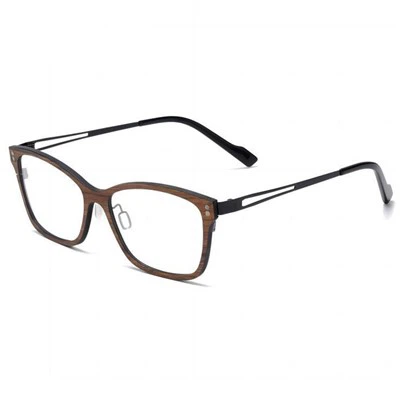
Hey there! As a supplier of acetate spectacle frames, I'm super stoked to share with you all about the materials used to make these snazzy frames. Acetate frames have been all the rage in the eyewear world because of their unique look, durability, and versatility. So, let's dig into what goes into making them!
The Basics of Acetate
First things first, acetate is a type of plastic. But don't be quick to think of those cheap, flimsy plastics. Acetate is a high - grade, cellulose - based plastic. It's derived from natural sources, specifically wood pulp or cotton linters. This gives it an edge over some other synthetic plastics as it's more environmentally friendly in a way.
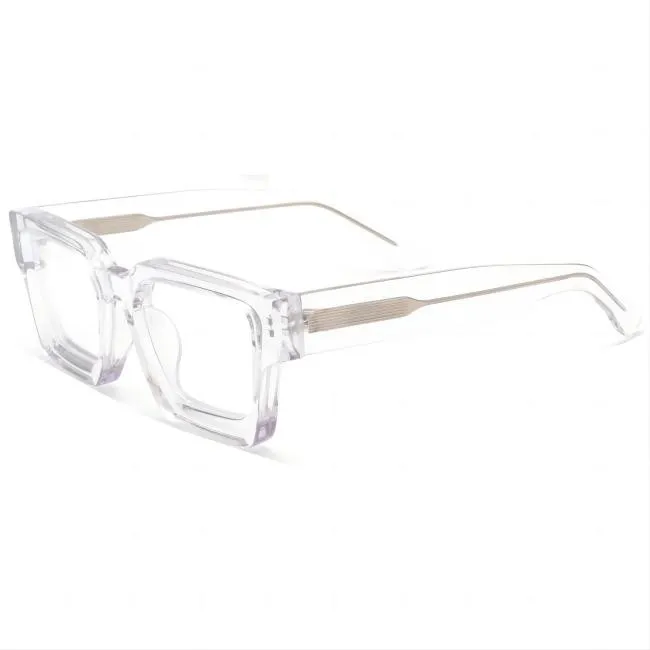
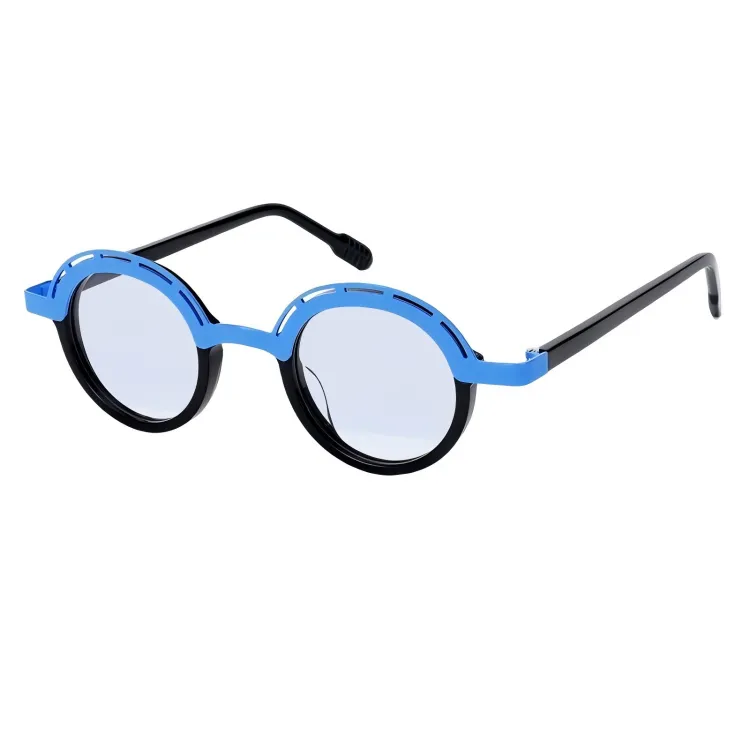
Cellulose is treated with acetic acid and acetic anhydride, which is a fancy chemical process. The result is a material that's tough, yet still flexible enough to be molded into all sorts of shapes. This is why acetate is perfect for making spectacle frames. It can hold its shape well, which means your glasses stay in good condition even after a lot of handling.
Types of Acetate Materials
Regular Acetate
Regular acetate is the most common type used in making spectacle frames. It's known for its smooth finish and a wide range of color options. You can get frames in solid colors, like classic black, tortoiseshell patterns (which are super trendy), or even bright, eye - catching hues.
This type of acetate is great for everyday wear. It's durable enough to withstand the normal wear and tear of putting your glasses on and taking them off, and it's also resistant to scratches to some extent. You can check out our Thick Acetate Glasses collection, where we've used high - quality regular acetate to create some really stylish frames.
Bio - Acetate
Bio - acetate is a more eco - friendly alternative. As the name suggests, it's made from renewable resources. In addition to cellulose, it often contains natural additives like castor oil. This not only makes it more sustainable but also gives it a slightly different feel.
Bio - acetate frames are hypoallergenic, which is a huge plus for people with sensitive skin. They also have a warm, natural look that's quite appealing. If you're someone who is conscious about the environment and wants stylish glasses, our Bio Acetate Glasses are the way to go.
Decorative Acetate
For those who want something really unique, decorative acetate is the answer. This type can have embedded patterns, like glitter, stones, or other decorative elements. It's all about making a statement.
You might see frames with a subtle sparkle or a bold, wild design. Our Wild Glasses Frames collection features some amazing pieces made with decorative acetate. These frames are perfect for special occasions or if you just want to stand out from the crowd.
Other Materials Used in Conjunction with Acetate
Acetate isn't always used on its own. There are other materials that are combined with it to make the frames even better.
Metal Parts
Metal is often used for the hinges and the nose pads of acetate frames. Stainless steel and titanium are popular choices. Stainless steel is strong and resistant to corrosion, so your hinges will last a long time. Titanium, on the other hand, is lightweight, which makes the glasses more comfortable to wear.
These metal parts are carefully attached to the acetate frames. The process requires precision to ensure that the frames are both functional and aesthetically pleasing.
Nylon or Plastic Inserts
Sometimes, nylon or other types of plastic inserts are used in the temples of acetate frames. These inserts can add flexibility and make the frames more adjustable. They also help in reducing the weight of the frames, which is especially important for people who wear glasses for long periods.
The Manufacturing Process and Its Impact on Material Choice
The manufacturing process of acetate spectacle frames also plays a role in the choice of materials.
Cutting and Shaping
Acetate sheets are first cut into the desired shapes for the frames. This requires sharp tools and precise measurements. The type of acetate used needs to be able to withstand the cutting process without cracking or chipping. Regular acetate is great for this as it's relatively easy to cut and shape.
Heat - Molding
After cutting, the frames are heat - molded to give them their final curvature. The acetate needs to be able to hold the shape after heating and cooling. Bio - acetate, for example, has good heat - molding properties, which allows for the creation of frames with unique and complex shapes.
Polishing and Finishing
Once the frames are shaped, they go through a polishing and finishing process. This gives them their smooth, shiny look. The type of acetate used can affect how well it polishes. Decorative acetate might require special polishing techniques to bring out the embedded patterns.
Quality Assurance and Material Selection
As a supplier, we take quality assurance very seriously. The materials we choose for our acetate spectacle frames are carefully selected to meet high standards.
We source our acetate from reliable suppliers who can guarantee the quality. We test each batch of acetate for its strength, flexibility, and colorfastness. This ensures that the frames we produce are of the highest quality and will last for a long time.
We also pay attention to the compatibility of different materials. For example, when we use metal parts, we make sure that they are compatible with the acetate to prevent any chemical reactions that could damage the frames.
Why Choose Our Acetate Spectacle Frames?
Our frames are not only made from high - quality materials, but we also offer a wide range of styles to suit every taste. Whether you're looking for something classic and understated or trendy and bold, we've got you covered.
We're committed to sustainability, which is why we offer bio - acetate frames. We believe that fashion and environmental responsibility can go hand in hand.
And of course, our prices are competitive. We want everyone to be able to afford high - quality acetate spectacle frames.
If you're interested in purchasing our acetate spectacle frames, whether you're a retailer looking to stock up or an individual who wants a new pair of glasses, we'd love to hear from you. You can reach out to us to discuss your requirements, place an order, or just ask any questions you might have. Let's start a conversation and see how we can meet your needs!
References
- "Eyewear Materials: A Comprehensive Guide". Industry Journal of Eyewear. 2022.
- "The Science of Acetate in Spectacle Frames". Research Paper on Optics. 2023.